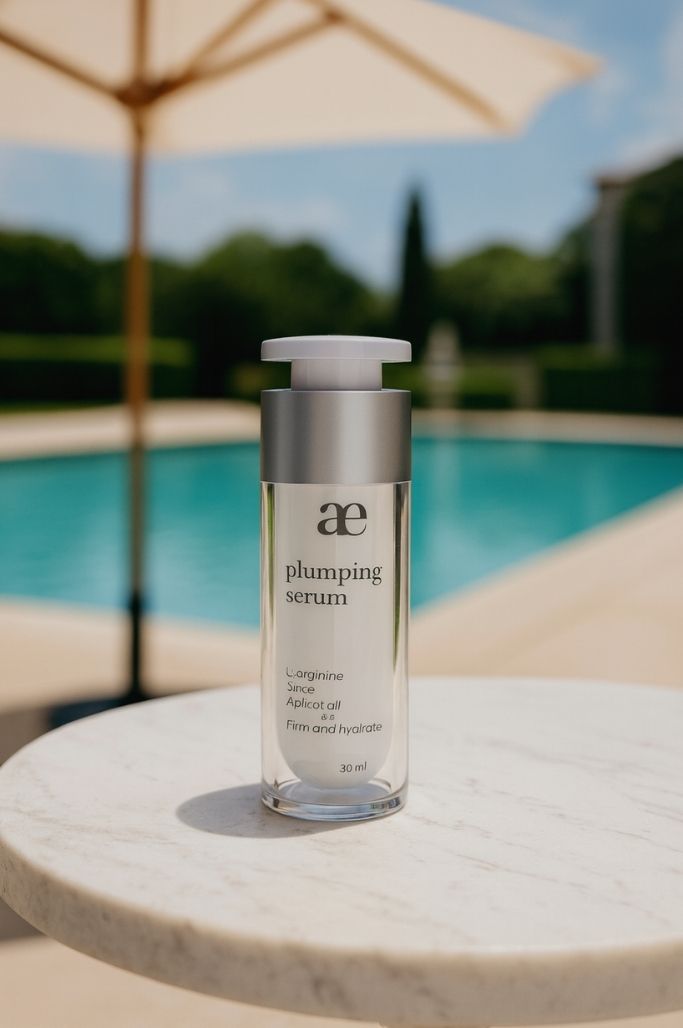
Apricot oil is one of the most underrated oils in skincare. While argan and jojoba oils get all the attention, apricot oil offers unique benefits that make it particularly effective for hydration, especially for those with sensitive or mature skin.
In this deep dive, we'll explore what makes apricot oil special, why it hydrates better than many other oils, and how it works in combination with other skincare ingredients to deliver lasting moisture and skin health.
What Is Apricot Oil?
Apricot kernel oil is extracted from the kernels (seeds) of the apricot fruit (Prunus armeniaca). It's a lightweight, non-comedogenic oil that's rich in essential fatty acids, vitamins, and antioxidants.
Key Characteristics: - Lightweight texture (absorbs quickly) - Non-comedogenic (won't clog pores) - Rich in oleic and linoleic acids - High in vitamins A, C, and E - Suitable for all skin types, including sensitive
The Unique Fatty Acid Profile
What sets apricot oil apart is its specific balance of fatty acids:
Oleic Acid (60-70%) - Monounsaturated fatty acid - Penetrates deeply into the skin - Provides long-lasting hydration - Helps other ingredients penetrate better - Particularly beneficial for dry and mature skin
Linoleic Acid (25-35%) - Essential fatty acid (your body can't make it) - Supports skin barrier function - Helps reduce inflammation - Particularly beneficial for acne-prone skin - Helps maintain skin's natural moisture balance
The Perfect Balance
This specific ratio of oleic to linoleic acid makes apricot oil: - Absorbable: The oleic acid helps it penetrate deeply - Non-greasy: The linoleic acid prevents it from feeling heavy - Barrier-supporting: Both acids support the skin barrier - Versatile: Works for both dry and oily skin types
Why Apricot Oil Hydrates Better
1. Deep Penetration
Unlike heavier oils that sit on the surface, apricot oil's fatty acid profile allows it to: - Penetrate the stratum corneum (outermost skin layer) - Deliver moisture to deeper skin layers - Create a lasting hydration effect
Comparison: - Heavy oils (like coconut): Sit on surface, can feel greasy - Apricot oil: Penetrates deeply, feels lightweight - Result: Better hydration with less product needed
2. Barrier Support
Apricot oil's fatty acids are similar to those naturally found in your skin barrier: - Helps repair and maintain barrier function - Prevents water loss (TEWL - transepidermal water loss) - Creates a protective layer that locks in moisture
3. Vitamin Powerhouse
Apricot oil is rich in skin-beneficial vitamins:
Vitamin E (Tocopherol): - Powerful antioxidant - Protects skin from free radical damage - Supports skin healing - Enhances the stability of other ingredients
Vitamin A: - Supports cell turnover - Helps maintain healthy skin - Contributes to skin repair
Vitamin C: - Antioxidant protection - Supports collagen production - Brightens skin tone - Works synergistically with vitamin E
4. Anti-Inflammatory Properties
The linoleic acid and antioxidants in apricot oil help: - Reduce skin inflammation - Soothe irritated skin - Calm redness - Support healing
This makes it particularly beneficial for: - Sensitive skin - Rosacea-prone skin - Skin recovering from damage - Mature skin with increased sensitivity
Apricot Oil vs. Other Popular Oils
Apricot Oil vs. Argan Oil
Apricot Oil: - Lighter texture - Better for sensitive skin - More affordable - Higher in linoleic acid
Argan Oil: - Richer, heavier texture - Higher in vitamin E - More expensive - Better for very dry skin
Verdict: Apricot oil is better for most people, especially those with combination or sensitive skin.
Apricot Oil vs. Jojoba Oil
Apricot Oil: - More hydrating - Better barrier support - Richer in vitamins - More affordable
Jojoba Oil: - Closer to skin's natural sebum - Better for very oily skin - Less hydrating - More expensive
Verdict: Apricot oil provides better hydration, while jojoba is better for balancing oil production.
Apricot Oil vs. Coconut Oil
Apricot Oil: - Non-comedogenic - Lightweight - Better for face - Absorbs quickly
Coconut Oil: - Can clog pores - Heavier texture - Better for body - Can feel greasy
Verdict: Apricot oil is far superior for facial skincare.
How Apricot Oil Works in Skincare
As a Standalone Oil
Apricot oil can be used alone as: - A facial oil after cleansing - A makeup remover - A body moisturizer - A cuticle oil
Application: - Use 2-3 drops for face - Apply to slightly damp skin for better absorption - Can be used morning or evening
In Combination with Other Ingredients
Apricot oil works particularly well with:
Hyaluronic Acid: - Oil helps seal in the hydration from HA - Creates a comprehensive hydration system - Provides both immediate and lasting moisture
Peptides: - Oil helps peptides penetrate better - Provides antioxidant protection - Supports the skin barrier while peptides work
Retinoids: - Can help reduce retinoid-related dryness - Provides antioxidant protection - Supports barrier repair
The Science: What Research Says
Barrier Function
Studies have shown that oils rich in linoleic acid (like apricot oil): - Improve skin barrier function - Reduce transepidermal water loss - Support the skin's natural repair processes
Antioxidant Protection
The vitamin E in apricot oil: - Protects skin from UV-induced damage - Reduces oxidative stress - Works synergistically with other antioxidants
Anti-Inflammatory Effects
Research indicates that linoleic acid: - Reduces skin inflammation - Helps calm irritated skin - Supports healing processes
Who Benefits Most from Apricot Oil?
Ideal For: - Dry skin: Provides deep, lasting hydration - Sensitive skin: Gentle and non-irritating - Mature skin: Rich in anti-aging vitamins - Combination skin: Lightweight yet hydrating - Acne-prone skin: Non-comedogenic, anti-inflammatory
May Not Be Ideal For: - Very oily skin: Might prefer jojoba oil - Those with nut allergies: Apricot is a stone fruit, but check with your doctor - Those who prefer completely oil-free: There are oil-free alternatives
How to Use Apricot Oil in Your Routine
Morning Routine
Option 1: As a Moisturizer 1. Cleanse 2. Apply serum (if using) 3. Apply 2-3 drops of apricot oil 4. Apply sunscreen
Option 2: Mixed with Moisturizer - Add 1-2 drops to your regular moisturizer - Mix in your palm - Apply as usual
Evening Routine
Option 1: As a Treatment Oil 1. Cleanse 2. Apply serum 3. Apply 2-3 drops of apricot oil 4. Apply night cream (optional)
Option 2: As a Makeup Remover - Apply oil to dry skin - Massage gently - Wipe away with a warm, damp cloth - Follow with regular cleanser
Pro Tips
1. Less Is More Start with 2-3 drops. You can always add more if needed.
2. Apply to Damp Skin Slightly damp skin helps the oil absorb better.
3. Pat, Don't Rub Gently pat and press the oil into your skin rather than rubbing.
4. Layer Correctly Apply oils after water-based products (serums) but before creams.
The Ambered Ember Formula
Our Plumping Serum includes apricot oil as a key ingredient:
Why We Use It: - Provides deep, lasting hydration - Supports the skin barrier - Delivers vitamins A, C, and E - Helps other active ingredients penetrate better - Gentle enough for sensitive skin
In Combination With: - Hyaluronic acid (immediate hydration) - Peptides (collagen support) - Silica (structural support) - Ceramides (barrier repair)
The Result: A comprehensive hydration system that provides both immediate moisture and long-term barrier support.
Common Questions
Will apricot oil make my skin oily?
No, apricot oil is lightweight and non-comedogenic. It absorbs quickly and shouldn't leave a greasy residue.
Can I use apricot oil if I have acne?
Yes, apricot oil is non-comedogenic and the linoleic acid can actually help reduce inflammation associated with acne.
How is apricot oil different from other oils?
Its specific fatty acid profile (high in both oleic and linoleic acid) makes it more hydrating and better-absorbed than many other oils.
Can I use apricot oil with retinol?
Yes, apricot oil can help reduce retinol-related dryness and provides antioxidant protection.
Is apricot oil safe for sensitive skin?
Yes, apricot oil is generally well-tolerated and is often recommended for sensitive skin due to its gentle, non-irritating nature.
Conclusion: The Underrated Hydration Hero
Apricot oil may not have the same marketing hype as argan or jojoba oil, but it offers unique benefits that make it particularly effective for skin hydration. Its perfect balance of fatty acids, rich vitamin content, and lightweight texture make it an ideal choice for most skin types.
When combined with other hydrating and anti-aging ingredients—like hyaluronic acid, peptides, and ceramides—apricot oil helps create a comprehensive skincare system that delivers both immediate and lasting results.
Experience the hydrating power of apricot oil in our Plumping Serum, where it works alongside clinically-proven actives to provide deep, lasting moisture and support your skin's natural barrier function.