Blue light skincare became a marketing mainstay in the late 2010s and exploded during the screen-heavy years that followed. Brands started claiming that blue light from your phone and laptop was causing accelerated aging, and you needed special "HEV-protective" serums to defend yourself. Some of those claims are based on real science. Most of them are inflated.
This guide cuts through the noise. We'll explain what blue light actually does to skin (according to the actual evidence, not marketing copy), what topical interventions are realistic, and where the honest line is between "worth doing" and "marketing manipulation." Spoiler: a good antioxidant serum and daily SPF cover most of what matters—and AE Plumping Serum is built around that reality.
What Blue Light Actually Is
Blue light, also called high-energy visible (HEV) light, sits in the 380-500 nm wavelength range. It's part of normal visible light. Sources include:
The sun produces dramatically more blue light than any screen. A bright sunny day exposes your skin to roughly 1000 times the blue light intensity of staring at your phone for the same duration. This single fact reframes most of the blue light skincare conversation.
What the Evidence Actually Says
Skin biology research on blue light shows:
What's Real
What's Inflated
The Honest Verdict
Blue light contributes to skin oxidative stress at the margins. It matters more for people with deeper skin tones (where pigmentation is more susceptible) and for people with extremely high screen exposure. For most people, the contribution is small relative to UV, pollution, and lifestyle factors.
What Topical Interventions Realistically Do
Antioxidant Serums
The strongest evidence-based response to blue light is daily topical antioxidants. They neutralize the reactive oxygen species blue light generates—same mechanism as for UV-driven damage. Vitamin C, vitamin E, ferulic acid, and botanical antioxidants all contribute.
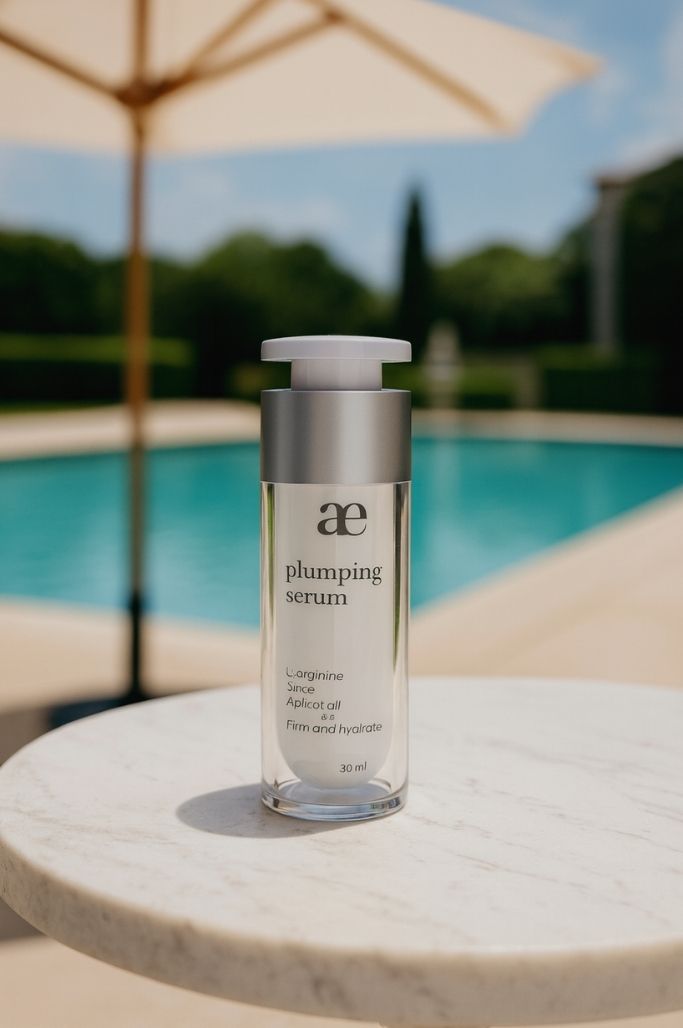
This is the realistic mechanism. AE Plumping Serum's botanical antioxidant complex provides this protection alongside hydration, peptide signaling, and barrier support.
Iron Oxide-Tinted SPF
The single best blue light intervention isn't a "blue light serum" — it's tinted mineral sunscreen. Iron oxide pigments in tinted SPF reflect visible light, including blue. If pigmentation from blue light is your specific concern, tinted SPF is more effective than any serum-based approach.
Niacinamide
Helps regulate pigment production. Useful as a supporting ingredient for visible-light-driven pigmentation concerns. Already in AE Plumping Serum.
What Doesn't Help (Despite Marketing)
Real antioxidant defense, not marketing
AE Plumping Serum's botanical antioxidant complex pairs with multi-weight HA, peptides, and ceramide NG—the integrated defense that addresses blue light as part of total environmental exposure.
Shop plumping serumWhat's Worth Doing
A realistic approach to blue light protection:
1. Daily Broad-Spectrum SPF
Non-negotiable. Outpaces any blue-light-specific product. If you choose tinted mineral SPF, you also get visible-light protection at no extra cost.
2. Daily Antioxidant Skincare
A serum with botanical antioxidants, vitamin E, or vitamin C neutralizes the reactive oxygen species from all environmental sources—blue light included.
3. Reasonable Screen Habits
Not for skin reasons primarily, but eye strain, posture, and sleep quality all matter. Limit late-night screen exposure for sleep, hold screens at arm's length, follow the 20-20-20 rule for eye breaks.
4. Tinted SPF for Susceptible Skin
If you have deeper skin tones or are addressing existing visible-light-driven pigmentation (like melasma), tinted SPF is genuinely more effective than untinted.
What's Not Worth Doing
Comparison: Effectiveness by Intervention
| Intervention | Effect on UV damage | Effect on blue light damage | Cost |
|---|---|---|---|
| :--- | :--- | :--- | :--- |
| Broad-spectrum SPF 30+ | Excellent | Moderate (visible spectrum) | $20-40/month |
| Tinted mineral SPF | Excellent | Good (iron oxide reflects) | $25-50/month |
| Antioxidant serum (AE) | Moderate (supportive) | Moderate (neutralizes ROS) | $48 |
| "Blue light serum" without antioxidants | None | None | $30-100 |
| Screen blue light filter app | None | None (filter doesn't change skin exposure) | Free |
| Reducing screen time | None | Modest | Free |
Who Should Care Most
Blue light deserves more attention if you:
For most people with average screen exposure and lower-pigmentation skin, blue light is a minor variable behind UV, pollution, sleep, and hormonal factors.
Common Questions
Is my phone aging me?
Marginally, at the contribution of one factor among many much larger ones. The hours of phone use also contribute to neck wrinkles and sleep disruption — both of which probably matter more than the blue light itself.
Should I buy a "blue light protection" serum specifically?
Probably not as a standalone purchase. A quality antioxidant serum (which a good plumping serum already includes) provides the realistic mechanism.
Are mineral sunscreens better for blue light than chemical?
Tinted mineral sunscreens (with iron oxides) are better for visible light protection because of the pigments. Untinted mineral and chemical sunscreens are similar to each other for blue light.
Does using a screen filter or "night mode" help my skin?
It helps your sleep (warmer color temperature reduces melatonin disruption), which indirectly helps your skin. It doesn't directly change blue light exposure to skin.
How does pollution interact with blue light?
They're separate stressors that both generate reactive oxygen species. The same antioxidant defense addresses both. See why your skin needs antioxidants.
The Verdict
Blue light is a real but modest skin stressor that's been wildly inflated by marketing. The realistic response is what works for all environmental damage: daily broad-spectrum SPF, daily antioxidant skincare, and—if pigmentation is a specific concern—tinted mineral sunscreen.
AE Plumping Serum covers the antioxidant mechanism with botanical antioxidants integrated alongside hydration and peptides. You don't need a separate "blue light serum" if you're already using a quality antioxidant-containing routine. Save your money for daily SPF and consistency.
Try AE Plumping Serum for the integrated defense that addresses blue light as part of the bigger environmental picture.