Hyaluronic acid and glycerin are two of the most popular hydrating ingredients in skincare, but which one is better? The truth is, they work differently and the best approach is using both. In this comprehensive comparison, we'll explore their differences, similarities, and why combining them provides the best hydration.
Hyaluronic Acid: The Heavyweight Hydrator
What It Is
Hyaluronic acid (HA) is a naturally occurring molecule in your body that can hold up to 1,000 times its weight in water.
Key Characteristics: - Large molecular structure - Exceptional water-binding capacity - Found naturally in skin - Decreases with age
How It Works
The Mechanism: - Binds water molecules - Creates a gel-like matrix - Provides immediate plumping - Works at multiple skin levels (depending on molecular weight)
Benefits: - Immediate hydration - Visible plumping effect - Long-lasting hydration (low molecular weight) - Supports skin structure
Limitations: - Can draw moisture from skin if applied to dry skin - Needs to be sealed with moisturizer - More expensive than glycerin
Glycerin: The Reliable Workhorse
What It Is
Glycerin is a simple, three-carbon alcohol that's a powerful humectant (draws water to the skin).
Key Characteristics: - Small molecular size - Excellent penetration - Inexpensive and effective - Stable and well-tolerated
How It Works
The Mechanism: - Draws water from environment and deeper skin layers - Provides immediate hydration - Penetrates easily - Works well in all formulations
Benefits: - Immediate hydration - Excellent penetration - Very affordable - Stable and reliable - Works in all conditions
Limitations: - Less "glamorous" than HA - Doesn't provide the same plumping effect - Can feel sticky at high concentrations
Head-to-Head Comparison
Water-Binding Capacity
Hyaluronic Acid: - Holds 1,000x its weight in water - Creates a reservoir of hydration - More dramatic effect
Glycerin: - Holds less water than HA - Still very effective - More consistent performance
Winner: Hyaluronic acid (but both are effective)
Penetration
Hyaluronic Acid: - Depends on molecular weight - High MW stays on surface - Low MW penetrates deeper
Glycerin: - Small size = excellent penetration - Reaches deeper skin layers - Consistent penetration
Winner: Glycerin (more consistent penetration)
Cost
Hyaluronic Acid: - More expensive - Higher production costs - Premium ingredient
Glycerin: - Very affordable - Widely available - Cost-effective
Winner: Glycerin (much more affordable)
Stability
Hyaluronic Acid: - Can degrade if not properly formulated - Needs careful handling - Sensitive to pH
Glycerin: - Very stable - Works in all pH ranges - Easy to formulate
Winner: Glycerin (more stable)
Plumping Effect
Hyaluronic Acid: - Creates visible plumping - Immediate fullness - More dramatic effect
Glycerin: - Provides hydration - Less dramatic plumping - More subtle effect
Winner: Hyaluronic acid (more visible plumping)
Why Use Both?
The Synergy
How They Work Together: - Glycerin provides immediate, penetrating hydration - HA creates a reservoir and plumping effect - Together, they provide comprehensive hydration - Different mechanisms = better results
The Benefits: - Immediate hydration (glycerin) - Sustained hydration (HA) - Surface plumping (HA) - Deep hydration (glycerin) - Comprehensive coverage
Real-World Results
Using Both: - Better hydration than either alone - More comprehensive coverage - Works in all conditions - Maximum effectiveness
Using Only One: - Still effective - But missing benefits of the other - Less comprehensive
When to Choose Each
Choose Hyaluronic Acid If:
Choose Glycerin If:
Choose Both If:
The Ambered Ember Formula
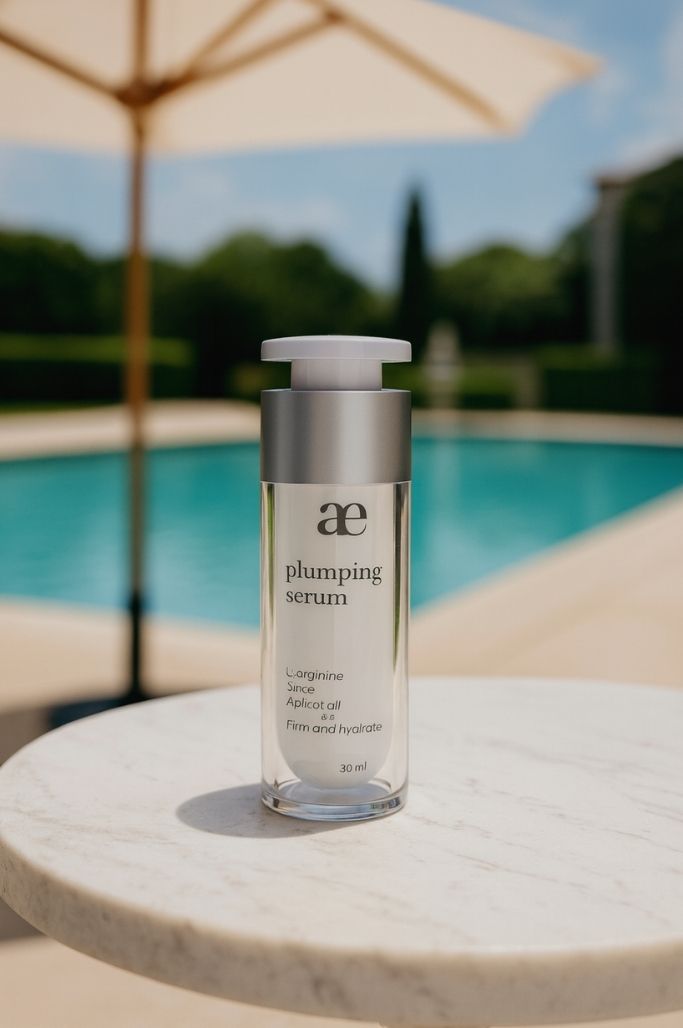
Our Plumping Serum uses both:
Why We Combine Them: - Glycerin for immediate, penetrating hydration - Multi-weight HA for surface and deep hydration - Comprehensive hydration system - Maximum effectiveness
The Result: - Immediate hydration from both - Sustained hydration from HA - Deep penetration from glycerin - Visible plumping from HA - Comprehensive coverage
Common Questions
Can I use both in my routine?
Yes, and it's actually recommended. They work synergistically.
Which is better for dry skin?
Both are excellent, but using both provides the best results.
Can glycerin replace hyaluronic acid?
It can provide hydration, but won't give the same plumping effect. Both together is best.
Is one more natural than the other?
Both can be derived naturally. HA is often bio-fermented, glycerin can be plant-derived.
Which is better for sensitive skin?
Both are well-tolerated. Glycerin is slightly more gentle, but both are safe.
Conclusion: The Best of Both Worlds
Hyaluronic acid and glycerin aren't competitors—they're complementary ingredients that work best together. HA provides visible plumping and a hydration reservoir, while glycerin provides reliable, penetrating hydration.
The best skincare formulas use both to provide comprehensive hydration that works at multiple levels, in all conditions, for maximum effectiveness.
Experience the power of both hyaluronic acid and glycerin in our Plumping Serum, where they work together to provide immediate, penetrating, and sustained hydration for plump, healthy skin.