Peptides and retinol are two of the most effective anti-aging ingredients, but they work very differently. Understanding their differences helps you choose the right approach—or use both for maximum results.
In this comprehensive comparison, we'll explore how peptides and retinol work, their benefits and limitations, and why the best anti-aging routines often include both.
Understanding Peptides
What They Are
Peptides are short chains of amino acids that act as messengers, signaling your skin cells to perform specific functions.
Key Characteristics: - Signal skin cells to produce collagen - Non-irritating - Suitable for sensitive skin - Work gradually
How They Work
The Mechanism: - Penetrate the skin - Signal fibroblasts (collagen-producing cells) - Stimulate collagen production - Support skin structure
Benefits: - Stimulates collagen production - Improves skin firmness - Reduces fine lines - Non-irritating - Suitable for all skin types
Limitations: - Results take time (4-8 weeks) - Less dramatic than retinol - Requires consistent use
Understanding Retinol
What It Is
Retinol is a form of vitamin A that increases cell turnover and stimulates collagen production.
Key Characteristics: - Increases cell turnover - Stimulates collagen - Very effective - Can cause irritation
How It Works
The Mechanism: - Increases rate of cell turnover - Stimulates collagen production - Reduces fine lines and wrinkles - Improves skin texture
Benefits: - Very effective for anti-aging - Reduces fine lines and wrinkles - Improves skin texture - Evens skin tone - Well-researched
Limitations: - Can cause irritation - Requires adjustment period - Not suitable for everyone - Can increase sun sensitivity
Head-to-Head Comparison
Effectiveness
Peptides: - Effective for collagen stimulation - Gradual, steady results - Less dramatic initially
Retinol: - Very effective for anti-aging - More dramatic results - Faster visible improvements
Winner: Retinol (more dramatic), but peptides are also very effective
Irritation Potential
Peptides: - Non-irritating - Suitable for sensitive skin - No adjustment period needed
Retinol: - Can cause irritation - Requires adjustment - Not suitable for very sensitive skin
Winner: Peptides (much gentler)
Speed of Results
Peptides: - Results in 4-8 weeks - Gradual improvement - Steady progress
Retinol: - Results in 2-4 weeks - Faster visible improvements - More dramatic changes
Winner: Retinol (faster results)
Suitability
Peptides: - Suitable for all skin types - Safe for sensitive skin - Can use daily immediately
Retinol: - Not suitable for everyone - Requires careful introduction - May need to start slowly
Winner: Peptides (more universally suitable)
Mechanism
Peptides: - Signals for collagen production - Supports structure - Works behind the scenes
Retinol: - Increases cell turnover - Stimulates collagen - More aggressive approach
Different mechanisms, both effective
Why Use Both?
Complementary Benefits
How They Work Together: - Retinol increases cell turnover - Peptides signal for collagen production - Together, they address multiple aspects of aging - More comprehensive results
The Benefits: - Faster cell turnover (retinol) - Increased collagen (both) - Better texture (retinol) - Improved firmness (peptides) - Comprehensive anti-aging
How to Use Together
The Strategy: - Use peptides in the morning - Use retinol in the evening - Or alternate days - Peptides can help reduce retinol irritation
The Routine: - Morning: Peptides + antioxidants + SPF - Evening: Peptides first, then retinol (wait 10-15 min) - Or: Peptides daily, retinol 2-3x per week
When to Choose Each
Choose Peptides If:
Choose Retinol If:
Choose Both If:
The Ambered Ember Approach
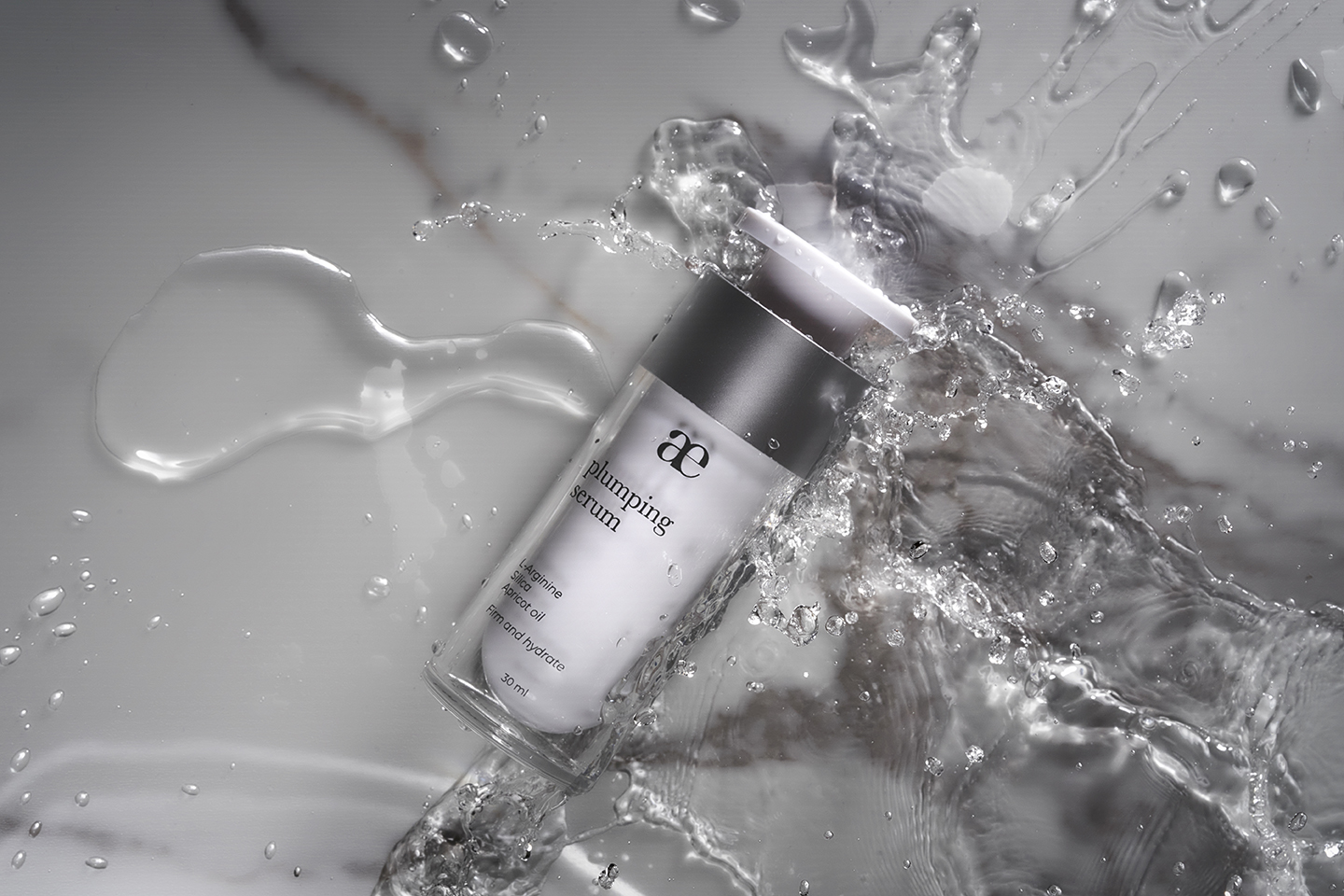
Our Plumping Serum focuses on peptides:
Why We Use Peptides: - Suitable for all skin types - Non-irritating - Effective collagen stimulation - Can be used with retinol - Gentle yet effective
How to Use with Retinol: - Apply our serum first - Wait 10-15 minutes - Apply retinol - Our peptides can help reduce irritation
The Result: A peptide-based serum that provides effective anti-aging benefits on its own, or works perfectly alongside retinol for comprehensive results.
Common Questions
Can I use peptides and retinol together?
Yes, they work well together. Apply peptides first, wait, then retinol.
Which is better for sensitive skin?
Peptides are much gentler and better for sensitive skin.
Do I need both?
Not necessarily. Peptides alone are effective, but both together provides maximum results.
Can peptides replace retinol?
They work differently. Peptides are gentler but less dramatic. Both together is ideal.
Which should I start with?
Start with peptides if you're new to actives or have sensitive skin. Add retinol later if desired.
Conclusion: Complementary, Not Competing
Peptides and retinol aren't competitors—they're complementary ingredients that address different aspects of aging. Peptides provide gentle, consistent collagen support, while retinol offers more dramatic cell turnover and results.
The best approach depends on your skin type, tolerance, and goals. For maximum results, use both. For sensitive skin or gentle approach, peptides alone are excellent.
Experience the gentle yet effective power of peptides in our Plumping Serum, which provides effective anti-aging benefits on its own or works perfectly alongside retinol for comprehensive results.