The debate between botanical (natural) and synthetic (clinical) skincare ingredients is one of the most discussed topics in beauty. But the truth is, both have their place, and the best formulas combine them strategically.
In this comprehensive comparison, we'll explore the differences, benefits, and limitations of both approaches, and why hybrid formulas often provide the best results.
Understanding Botanical Skincare
What It Means
Botanical skincare uses ingredients derived from plants, including: - Plant extracts - Essential oils - Natural oils - Herbal compounds
Key Characteristics
Strengths: - Rich in antioxidants - Often gentler - Multiple beneficial compounds - Sustainable sourcing possible
Limitations: - Potency can vary - May lack clinical standardization - Some can be irritating - "Natural" doesn't always mean better
Understanding Synthetic Actives
What It Means
Synthetic actives are lab-created or highly processed ingredients designed for specific functions: - Peptides - Retinoids - Synthetic hyaluronic acid - Lab-created antioxidants
Key Characteristics
Strengths: - Standardized potency - Proven efficacy - Consistent results - Well-researched
Limitations: - Can be harsh - May cause irritation - Less "natural" appeal - Can feel clinical
Head-to-Head Comparison
Efficacy
Botanical: - Varies by ingredient - Some very effective (green tea, pomegranate) - Others less potent - Depends on extraction and formulation
Synthetic: - Generally more standardized - Proven through research - Consistent potency - Predictable results
The Difference: Synthetic often more consistent, but effective botanicals can be equally powerful
Gentleness
Botanical: - Often gentler - But some can irritate (essential oils) - Depends on specific ingredient - Generally well-tolerated
Synthetic: - Can be harsh (retinoids, acids) - But some are gentle (peptides, HA) - Depends on specific ingredient - Well-formulated can be gentle
The Difference: Both can be gentle or harsh—depends on the specific ingredient and formulation
Research
Botanical: - Some well-researched (green tea, pomegranate) - Others less studied - Traditional use vs. clinical studies - Growing research base
Synthetic: - Extensively researched - Clinical studies - Proven mechanisms - Long research history
The Difference: Synthetic generally more researched, but research on botanicals is growing
Stability
Botanical: - Can be less stable - May degrade faster - Needs careful formulation - Some very stable
Synthetic: - Generally more stable - Longer shelf life - Easier to formulate - Consistent stability
The Difference: Synthetic often more stable, but well-formulated botanicals can be stable
Cost
Botanical: - Varies widely - Some expensive (rare extracts) - Others affordable - Depends on sourcing
Synthetic: - Varies widely - Some expensive (peptides) - Others affordable (glycerin) - Depends on production
The Difference: Both can be expensive or affordable—depends on specific ingredient
Why Use Both?
The Hybrid Approach
How It Works: - Synthetic actives for proven efficacy - Botanicals for gentleness and additional benefits - Together, they create comprehensive formulas
The Benefits: - Proven results (synthetic) - Gentleness (botanicals) - Comprehensive protection - Best of both worlds
Real-World Example
Synthetic Actives: - Peptides (proven collagen stimulation) - Hyaluronic acid (proven hydration) - Niacinamide (proven barrier support)
Botanical Support: - Green tea extract (antioxidant protection) - Pomegranate extract (additional antioxidants) - Calendula (soothing support)
Together: - Proven efficacy + gentleness - Clinical results + natural support - Comprehensive care
When to Choose Each
Choose Botanical If:
Choose Synthetic If:
Choose Both If:
Common Myths
Myth #1: "Natural is Always Better"
Reality: - Some natural ingredients are excellent - But "natural" doesn't guarantee safety or efficacy - Some synthetic ingredients are safer and more effective - Quality and formulation matter more than origin
Myth #2: "Synthetic is Always Harsh"
Reality: - Some synthetics are gentle (peptides, HA) - Depends on specific ingredient - Well-formulated synthetics can be very gentle - Not all synthetics are harsh
Myth #3: "You Have to Choose"
Reality: - Best formulas combine both - They work synergistically - You get benefits of both - No need to choose
The Ambered Ember Philosophy
We combine both approaches:
Synthetic Actives: - Peptides (proven collagen stimulation) - Hyaluronic acid (proven hydration) - Niacinamide (proven barrier support) - Ceramides (proven barrier repair)
Botanical Support: - Pomegranate extract (antioxidants) - Green tea extract (protection) - Calendula extract (soothing) - Apricot oil (vitamins, barrier)
The Result: A hybrid formula that provides proven clinical efficacy with botanical gentleness and additional benefits for comprehensive, effective, gentle skincare.
Common Questions
Is botanical or synthetic better?
Neither is inherently better. The best approach combines both for maximum benefits.
Are synthetic ingredients safe?
Yes, when well-formulated. Many are extensively tested and proven safe.
Are botanical ingredients effective?
Many are very effective, especially antioxidants. Quality and formulation matter.
Can I use both together?
Yes, and it's often recommended. They work synergistically.
Which is better for sensitive skin?
Depends on specific ingredients. Both can be gentle or harsh. Look for well-formulated products.
Conclusion: The Best of Both Worlds
Botanical and synthetic ingredients aren't competitors—they're complementary. The best skincare formulas combine proven synthetic actives with beneficial botanical support for maximum efficacy, gentleness, and comprehensive care.
Don't choose between them—embrace both. Synthetic actives provide proven results, while botanicals offer gentleness, additional benefits, and natural support.
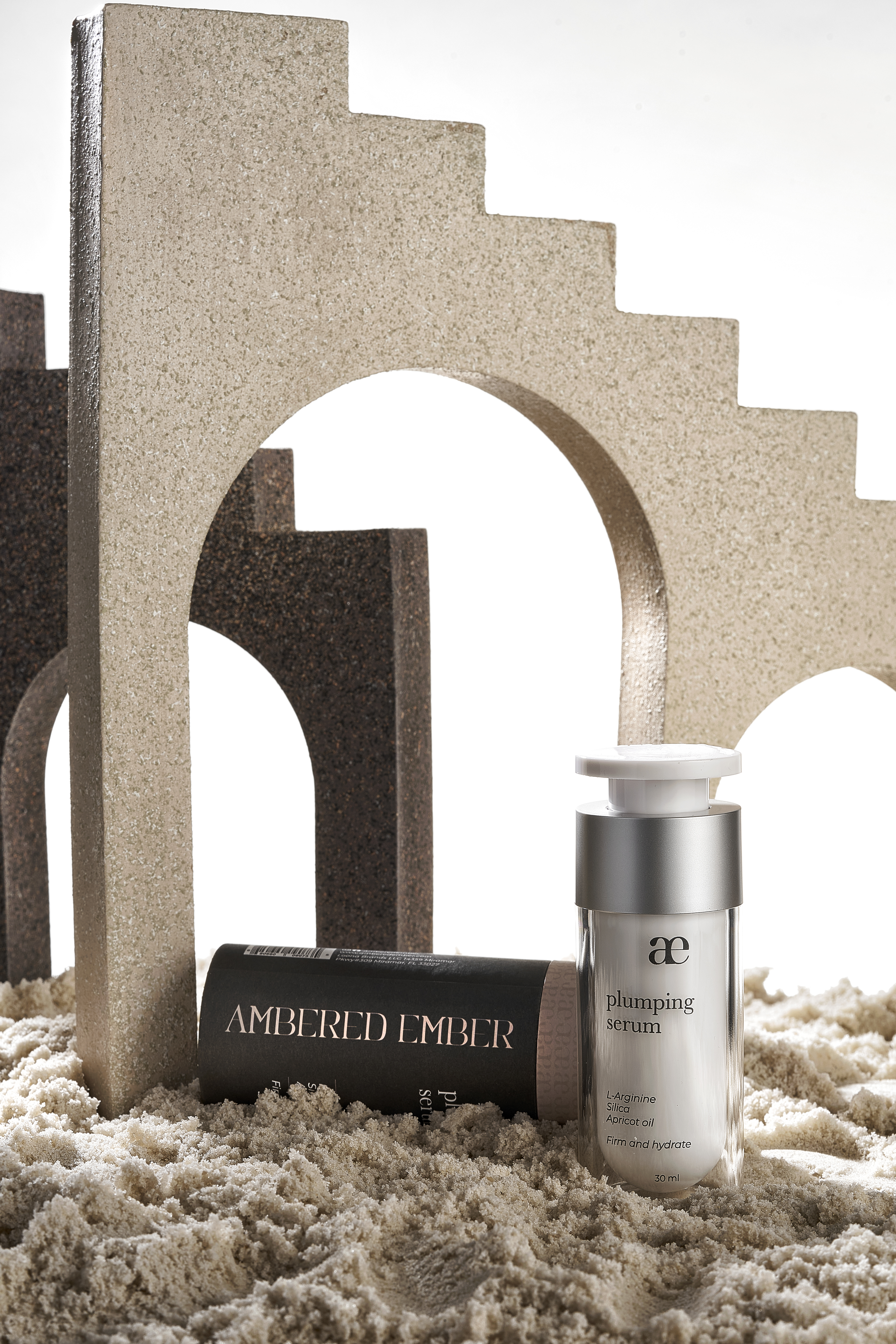
Experience the power of both in our Plumping Serum, where clinically-proven synthetic actives work alongside beneficial botanicals to provide effective, gentle, comprehensive skincare that delivers real results.