The skincare world is divided. On one side: "clean beauty" advocates who swear by all-natural, botanical ingredients. On the other: "clinical skincare" enthusiasts who trust only science-backed, lab-tested actives.
But here's the truth: You don't have to choose. The most effective skincare combines the best of both worlds—proven clinical actives with clean, botanical support. In this comprehensive guide, we'll break down the myths, reveal what actually works, and show you how to get the best results without compromising.
Understanding the Two Approaches
Clean Skincare: The Natural Approach
What it means: - Ingredients derived from nature (plants, minerals) - Avoids synthetic chemicals, parabens, sulfates - Often focuses on whole-plant extracts - Emphasizes sustainability and ethical sourcing
Strengths: - Generally gentler on sensitive skin - Rich in antioxidants and phytonutrients - Sustainable and eco-friendly - Appeals to conscious consumers
Limitations: - Potency can vary (plant extracts aren't standardized) - Some natural ingredients can be irritating (essential oils, certain acids) - May lack clinically-proven concentrations - "Natural" doesn't always mean "better" or "safer"
Clinical Skincare: The Science Approach
What it means: - Ingredients backed by clinical studies - Standardized concentrations for proven efficacy - Often synthetic or lab-created versions of natural compounds - Focuses on measurable, reproducible results
Strengths: - Proven efficacy through research - Consistent, standardized formulations - Often more potent and targeted - Results are measurable and predictable
Limitations: - Can be harsh or irritating - May contain synthetic ingredients some prefer to avoid - Often more expensive - Can feel "clinical" or less luxurious
The Great Myth: You Have to Choose
Myth #1: "Natural is always better" Reality: Some of the most effective skincare ingredients are synthetic or lab-created. For example: - Retinoids (vitamin A derivatives) are more stable and effective than natural retinol - Peptides are often synthesized for purity and consistency - Hyaluronic acid in skincare is typically bio-fermented (not extracted from rooster combs, as it once was)
Myth #2: "Clinical means harsh chemicals" Reality: Many clinical actives are gentle and well-tolerated: - Peptides are non-irritating and suitable for sensitive skin - Niacinamide is one of the gentlest yet most effective ingredients - Hyaluronic acid is naturally occurring in your body
Myth #3: "Clean can't be effective" Reality: Many botanical ingredients have strong scientific backing: - Green tea extract contains EGCG, a powerful antioxidant - Pomegranate extract has proven anti-aging benefits - Calendula has documented anti-inflammatory properties
The Truth: The best skincare combines clinically-proven actives with clean, botanical support. You get the efficacy of science with the gentleness and antioxidant power of nature.
What Actually Gets Results: The Evidence
Let's look at what the research says about the most effective ingredients:
Clinically-Proven Actives (The Power Players)
Peptides (Palmitoyl Tripeptide-1 & 7): - Evidence: Clinical studies show up to 300% increase in collagen production - How it works: Signals fibroblasts to produce more collagen - Result: Measurable firming and wrinkle reduction in 8-12 weeks - Verdict: One of the most effective anti-aging ingredients available
Hyaluronic Acid: - Evidence: Holds 1,000x its weight in water, proven to increase skin hydration by 96% in studies - How it works: Binds water molecules in the skin - Result: Immediate plumping and long-term hydration - Verdict: Gold standard for hydration
Niacinamide: - Evidence: Reduces fine lines, improves elasticity, strengthens barrier in multiple studies - How it works: Increases ceramide production, reduces water loss - Result: Visible improvements in texture, tone, and barrier function - Verdict: One of the most versatile and effective ingredients
Retinoids: - Evidence: Decades of research proving efficacy for anti-aging - How it works: Increases cell turnover, stimulates collagen - Result: Significant reduction in fine lines and wrinkles - Verdict: Most researched anti-aging ingredient, but can be irritating
Botanical Powerhouses (The Support System)
Green Tea Extract: - Evidence: Contains EGCG, shown to protect against UV damage and reduce inflammation - How it works: Powerful antioxidant that neutralizes free radicals - Result: Protection against environmental damage, reduced inflammation - Verdict: Excellent supporting ingredient, especially for sensitive skin
Pomegranate Extract: - Evidence: Rich in punicalagins, shown to support collagen production - How it works: Antioxidant protection + mild collagen support - Result: Enhanced protection, subtle anti-aging benefits - Verdict: Great addition to clinical actives for comprehensive protection
Calendula Extract: - Evidence: Documented anti-inflammatory and wound-healing properties - How it works: Soothes irritation, supports barrier repair - Result: Reduced redness, improved barrier function - Verdict: Excellent for sensitive or compromised skin
Apricot Oil: - Evidence: Rich in vitamins C and E, essential fatty acids - How it works: Provides antioxidant protection and barrier support - Result: Improved skin tone, enhanced barrier function - Verdict: Great emollient with antioxidant benefits
The Hybrid Approach: Why It Works Best
The most effective skincare formulas combine:
1. Clinical Actives for Proven Results - Peptides for collagen stimulation - Hyaluronic acid for hydration - Niacinamide for barrier support - Standardized concentrations for efficacy
2. Botanical Support for Protection & Gentleness - Antioxidants (green tea, pomegranate) to protect clinical actives - Soothing ingredients (calendula, aloe) to reduce potential irritation - Natural moisturizing factors for enhanced hydration - Phytonutrients for comprehensive skin health
3. Clean Formulation Principles - No harsh preservatives or unnecessary additives - Vegan-friendly and cruelty-free - Sustainable sourcing where possible - Transparent ingredient lists
The Result: Skincare that delivers measurable, clinical results while being gentle enough for sensitive skin and aligned with clean beauty values.
Real-World Comparison: What You Actually Get
Pure Clean Approach Example: Serum with only botanical extracts (green tea, calendula, aloe)
Pros: - Very gentle - Rich in antioxidants - Sustainable
Cons: - Limited collagen-stimulating power - Results may be subtle - Potency varies by batch
Best for: Very sensitive skin, maintenance, supporting other actives
Pure Clinical Approach Example: Serum with only peptides and hyaluronic acid
Pros: - Proven efficacy - Consistent results - Measurable improvements
Cons: - May lack antioxidant protection - Can feel "clinical" - May not address all skin concerns
Best for: Maximum results, specific concerns, those who don't mind synthetic ingredients
Hybrid Approach (The Sweet Spot) Example: Serum with peptides + HA + botanical antioxidants + soothing botanicals
Pros: - Proven clinical efficacy - Comprehensive protection - Gentle yet effective - Addresses multiple concerns
Cons: - Can be more expensive - Requires careful formulation
Best for: Everyone who wants the best of both worlds
How to Choose: A Practical Guide
If You Have Sensitive Skin: Choose: Hybrid approach with emphasis on gentle clinical actives (peptides, niacinamide) + soothing botanicals (calendula, aloe)
Avoid: Pure clinical formulas with retinoids or high-concentration acids
If You Want Maximum Results: Choose: Hybrid approach with proven actives (peptides, HA) + protective botanicals
Avoid: Pure botanical formulas that lack clinical actives
If You Prefer Clean Beauty: Choose: Hybrid approach with clean-formulated clinical actives + botanical support
Avoid: Pure clinical formulas with synthetic preservatives or harsh chemicals
If You're On a Budget: Choose: Hybrid approach—you get more value than pure botanical (better results) or pure clinical (more comprehensive)
Avoid: Overpriced "clean" products with minimal active ingredients
The Ambered Ember Philosophy
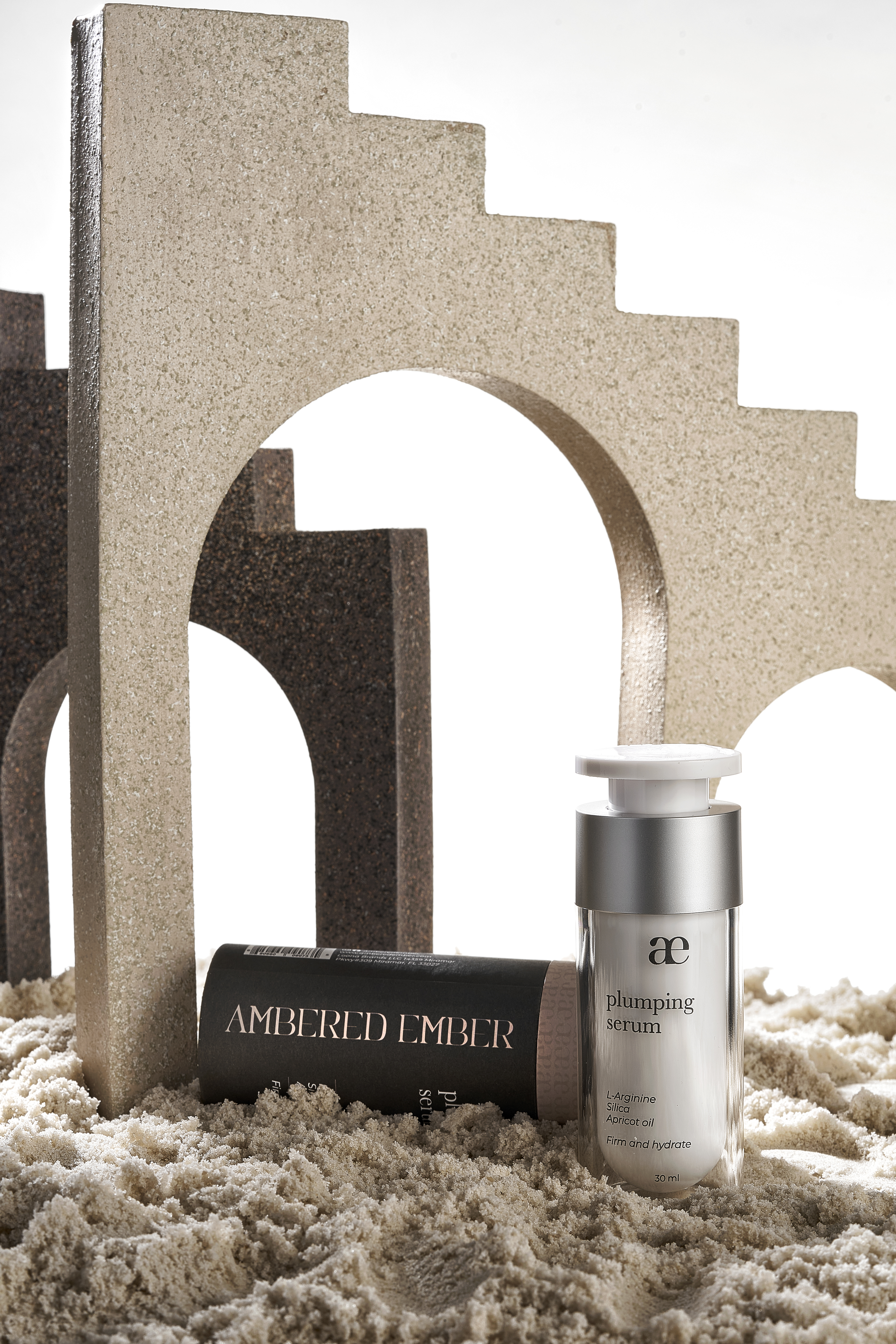
We believe you shouldn't have to choose between clean and clinical. Our Plumping Serum embodies the hybrid approach:
Clinical Power: - Palmitoyl Tripeptide-1 & 7 (proven collagen stimulation) - Multi-weight hyaluronic acid (proven hydration) - Niacinamide (proven barrier support) - Ceramide NG (proven barrier repair)
Botanical Support: - Pomegranate extract (antioxidant protection) - Green tea extract (environmental protection) - Calendula extract (soothing and repair) - Apricot oil (vitamins C & E, barrier support) - Aloe vera (hydration and soothing)
Clean Principles: - Vegan-friendly and cruelty-free - No harsh preservatives - Transparent ingredient list - Sustainable sourcing where possible
The Result: A serum that delivers the proven efficacy of clinical actives with the gentleness and protection of botanical ingredients—all formulated according to clean beauty principles.
Common Questions Answered
Are synthetic ingredients bad for my skin?
Not necessarily. Many synthetic ingredients are identical to natural ones (like hyaluronic acid) or are more stable and effective (like certain peptides). The key is choosing well-formulated products from reputable brands.
Can natural ingredients be as effective as clinical ones?
Some can be, but potency and consistency vary. Clinical actives are standardized for consistent results. The best approach combines both: clinical actives for proven results, botanicals for support and protection.
Is "clean" just marketing?
Not entirely, but the term isn't regulated. Look for brands that are transparent about their formulations and avoid "greenwashing." True clean beauty means avoiding harmful ingredients while maintaining efficacy.
Do I need both clinical and botanical ingredients?
For best results, yes. Clinical actives provide proven efficacy, while botanicals offer protection, soothing, and additional benefits. They work synergistically.
What about "medical-grade" skincare?
This term isn't regulated either. What matters is the quality and concentration of active ingredients, not the label. Many "medical-grade" products contain the same actives as well-formulated consumer products.
The Bottom Line
What Actually Gets Results: 1. Clinically-proven actives in effective concentrations 2. Botanical support for protection and gentleness 3. Proper formulation and delivery systems 4. Consistent use over time
What Doesn't Matter: - Whether ingredients are "natural" or "synthetic" - Marketing claims about being "medical-grade" - Price point (expensive doesn't always mean better) - Whether it's "clean" or "clinical"
What Does Matter: - Proven efficacy of active ingredients - Appropriate concentrations - Quality formulation - How well it works for YOUR skin
Your Action Plan
1. Look for Hybrid Formulas Choose products that combine clinical actives with botanical support.
2. Check Ingredient Lists Look for proven actives (peptides, HA, niacinamide) alongside beneficial botanicals.
3. Avoid Extremes Steer clear of products that are either 100% botanical (limited efficacy) or 100% clinical without support (potential irritation).
4. Test and Observe Everyone's skin is different. What works for others may not work for you, and vice versa.
5. Be Patient Real results take time. Give any new product at least 4-8 weeks before judging efficacy.
Conclusion: You Don't Have to Choose
The clean vs. clinical debate is a false choice. The best skincare combines: - Clinical actives for proven, measurable results - Botanical support for protection, soothing, and comprehensive care - Clean principles for safety, sustainability, and transparency
This hybrid approach gives you the efficacy of science with the gentleness and values of clean beauty. You get results without compromise.
Experience the best of both worlds with our Plumping Serum—clinically-proven actives, botanical support, and clean formulation principles, all in one powerful formula designed to deliver real, visible results.