You might not think of sleep as a skincare concern, but it's one of the most underestimated factors in long-term facial aging. Sleep lines—the mechanical wrinkles created by hours of pressure against a pillow—start as temporary creases that vanish within minutes of waking. Over years, they become permanent etched wrinkles. And unlike expression lines from smiling or squinting, you don't even have to be awake to create them.
This guide explains the biology of sleep lines, the three independent levers you can pull to prevent them (pillowcase, position, and skincare), and the realistic overnight routine that minimizes mechanical damage to your face. The fix isn't complicated—but it does require actually changing habits, which is where most people fail.
What Sleep Lines Actually Are
Sleep lines are mechanical wrinkles caused by prolonged compression of facial skin against a pillow surface. They develop in predictable patterns:
In younger skin, these marks appear after a night of poor sleep position and disappear within minutes of waking. The collagen and elastin networks are dense enough to spring back fully.
With age, the springback weakens. The mark lingers for 15 minutes, then 30, then hours. Eventually the mechanical stress creates permanent creases in the same pattern—visible even when you're standing up on a good-sleep morning.
Why Side Sleepers Age Asymmetrically
One of the clearest visual tells of chronic side sleeping: asymmetric facial aging. Check photos of people over 50—many have deeper lines and more volume loss on the side they habitually sleep on. The effect is cumulative over decades.
This doesn't mean you need to become a perfect back sleeper. It does mean the side you sleep on matters, and if you sleep with your face deeply pressed into the pillow for 7-9 hours every night, that's roughly 2,500 hours per year of mechanical compression on one half of your face.
The Three Levers of Sleep Line Prevention
Lever 1: Pillowcase Material
The most underrated upgrade in skincare. Your pillowcase material determines how much friction and compression your skin experiences overnight.
Cotton (most common): High friction, absorbent. Pulls moisture out of skin and creates more mechanical drag during movement. The worst option for sleep-line prevention.
Silk or silk-like satin: Low friction, low absorption. Skin glides rather than drags. Hydration stays in skin rather than being absorbed into the pillow. Widely recommended by dermatologists.
Bamboo: Moderate friction, good temperature regulation. Better than cotton, not as smooth as silk.
High-thread-count cotton sateen: Smoother than standard cotton but still absorbent. A middle-ground option.
The case for silk: it's the single easiest product upgrade to prevent sleep lines. One-time purchase (for a good-quality one, $40-150), benefits every single night forward.
Lever 2: Sleep Position
Back sleeping is the gold standard for facial preservation. No pillow contact, no compression, no asymmetric aging. It's also the position most people find least comfortable.
Realistic intermediate options:
For stomach sleepers—the worst position for facial aging—the transition is harder but worth attempting. A thin pillow or no pillow at all, with face turned minimally, reduces damage.
Lever 3: Overnight Skincare
Well-hydrated, well-supported skin resists and recovers from mechanical stress better than dry, compromised skin. The overnight routine that minimizes sleep-line formation:
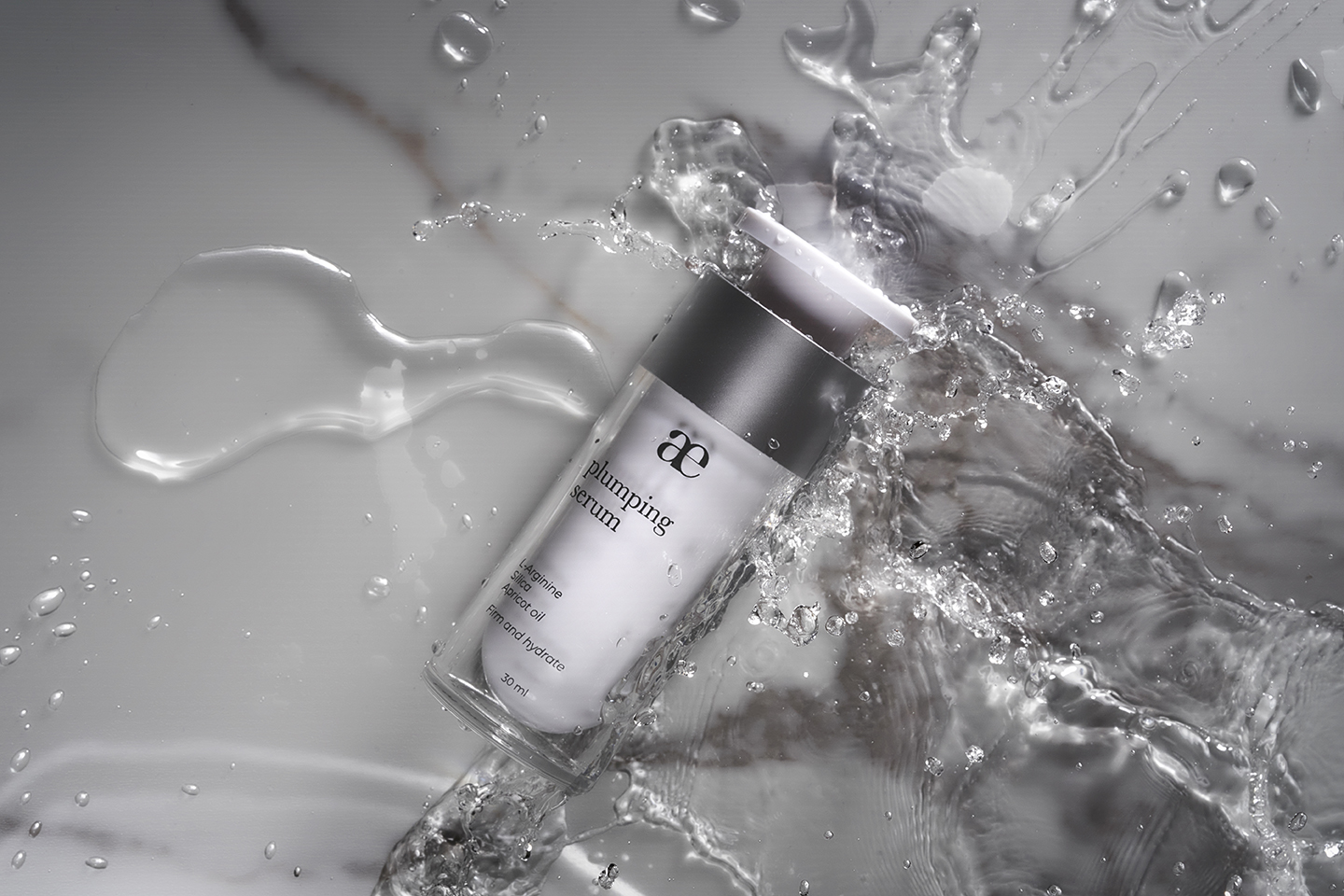
1. Thorough cleanse (remove all SPF and makeup—residue accelerates overnight damage) 2. AE Plumping Serum on slightly damp skin 3. Richer night moisturizer including all of face and neck 4. Optional: facial oil on top of moisturizer for extra occlusion in dry climates
The goal is to minimize transepidermal water loss overnight and maintain the skin at its most resilient state during the 7-9 hours of mechanical compression. Read the nighttime skincare routine for a more detailed walk-through.
Overnight support that makes sleep lines less permanent
AE Plumping Serum's multi-weight HA + peptides + ceramide NG keeps skin hydrated and resilient through 8 hours of mechanical compression.
Shop plumping serumComparison: Sleep Variables That Matter
| Variable | Skin-friendly | Skin-unfriendly |
|---|---|---|
| :--- | :--- | :--- |
| Sleep position | Back | Stomach |
| Pillowcase material | Silk or high satin | Standard cotton |
| Hours slept | 7-9 | <6 or >10 |
| Overnight hydration | AE + moisturizer | Nothing |
| Pre-bed water | Moderate | Dehydration or excess |
| Sleep environment humidity | 40-60% | Below 30% |
| Consistency | Same hours nightly | Erratic schedule |
The Role of Sleep Quality Itself
Beyond mechanical compression, sleep quality affects how skin looks. During deep sleep, the body repairs damage accumulated during the day—including skin cell repair, collagen synthesis, and lymphatic drainage.
Chronic sleep deprivation (under 6 hours nightly) visibly ages skin through multiple mechanisms:
The skincare value of 8 hours of sleep outperforms most serums on the market. This is also why how to revive tired skin is such a common search—tired skin is real and largely reversible with sleep recovery.
Realistic Expectations
If you switch to a silk pillowcase, start alternating sides, and commit to a proper overnight routine:
You can't reverse sleep lines already etched through skincare alone. You can meaningfully slow new ones.
What About Sleeping on Your Back?
The most common objection: "I just can't sleep on my back." Fair. For most people, the realistic path is gradual:
1. Start with silk pillowcase (no position change required) 2. Add body pillow that encourages slight back-leaning 3. Try 30 minutes of back sleeping before transitioning to your preferred side 4. Alternate sides if you can't stay on your back
Perfect back sleeping isn't required to see benefits. Reducing the total hours of heavy facial compression is what matters.
Common Questions
Do anti-wrinkle pillows actually work?
Specially shaped pillows that hold the head in a slight elevation can help back sleepers and those who want to transition. They're not magic, but the structural support is legitimate for some people.
How fast do sleep lines become permanent?
Gradually, over years. There's no specific threshold. The earlier you address mechanical stress, the better the preserved outcome. Someone side-sleeping in their 20s without intervention sees permanent etching by their late 30s or 40s.
Can retinol reverse existing sleep lines?
Modestly. Retinoids support cell turnover and collagen-adjacent pathways. Combined with hydration and peptide work, they can soften existing etches but not erase them.
Is the silk pillowcase claim marketing hype?
The friction difference is measurable and real. The mechanism is straightforward (less drag, less absorption). Dermatologists widely recommend silk. Not marketing.
Does sleeping flat matter as much as sleep position?
Head elevation (via pillow or wedge) helps with overnight puffiness and fluid pooling, which are separate from mechanical compression. Both matter.
Conclusion
Sleep lines are one of the few types of facial aging you can genuinely prevent by changing external variables. The three levers—pillowcase, position, and overnight skincare—compound. A silk pillowcase costs $40-150 and benefits every night. Back sleeping costs nothing but adjustment. An integrated overnight routine protects the skin during the hours you can't.
AE Plumping Serum anchors the nighttime skincare lever with hydration, peptide signaling, and barrier support through 8 hours of mechanical stress. Combined with a silk pillowcase and better sleep position, it's the realistic foundation for preventing sleep-driven facial aging.