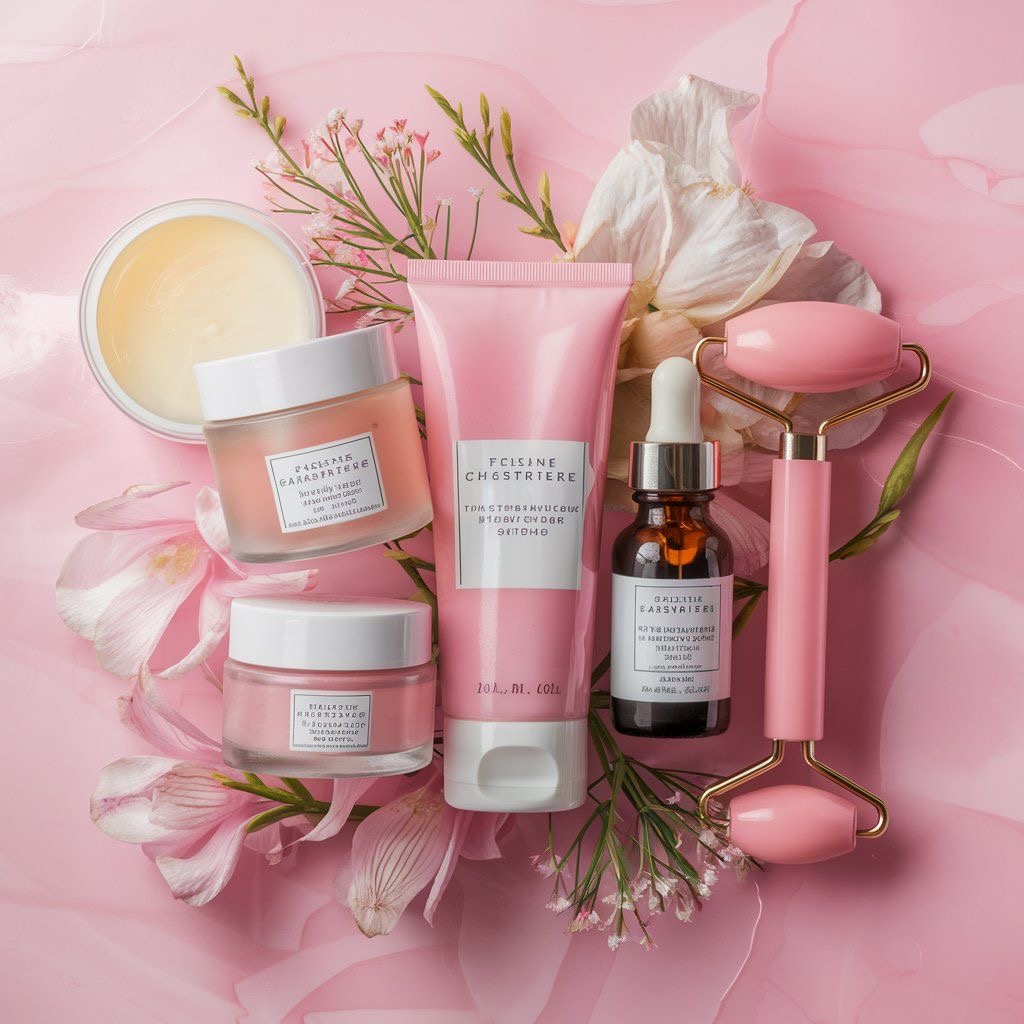
Your skin does its heaviest repair work at night. While you sleep, cell turnover speeds up, collagen production is at its peak, and your barrier works to restore moisture and repair damage from the day. A thoughtful nighttime skincare routine supports this natural process instead of fighting it—and the right order of products makes a real difference in how well actives absorb and how hydrated and calm your skin looks by morning.
This guide walks you through a complete evening routine in paragraph form, with a clear step-by-step table, answers to common questions, and links to deeper reads on ingredients and routines so you can customize for your skin type and goals.
Why Nighttime Is Different From Morning
During the day, your skin is in defense mode: fending off UV, pollution, and environmental stress. At night, there’s no sun exposure, so it’s the safest and most effective time to use repair-focused actives like retinol, peptides, and certain acids. Night is also when transepidermal water loss tends to rise, so layering hydrating and barrier-supporting ingredients helps you wake up with plumper, calmer skin. A dedicated nighttime routine isn’t just “extra”—it’s when you get the most out of treatments and hydration.
The Ideal Order: Cleanse to Seal
A simple rule of thumb is to apply products from thinnest and most active to thickest and most occlusive. That way, treatment ingredients penetrate first, and your final step locks everything in. Below is a standard sequence that works for most people; you can add or skip steps based on your skin type and whether you use actives like retinol or exfoliants.
| Step | Product type | Purpose |
|---|---|---|
| 1 | First cleanse (oil/balm) | Remove makeup, sunscreen, and oil-based impurities |
| 2 | Second cleanse (water-based) | Clean pores and leave skin ready for actives |
| 3 | Exfoliant (2–3x/week) | Gentle chemical or enzyme exfoliation to support turnover |
| 4 | Treatment serum(s) | Peptides, retinol, or other actives for repair and anti-aging |
| 5 | Hydrating serum | Hyaluronic acid or similar to pull in and hold moisture |
| 6 | Eye treatment | Targeted care for the delicate eye area |
| 7 | Moisturizer | Ceramides and emollients to support barrier repair and seal in moisture |
| 8 | Face oil (optional) | Extra nourishment and occlusion for very dry skin |
You don’t need every step every night. A minimal routine could be: double cleanse (or single cleanse if no makeup), one treatment serum, moisturizer. Build from there as your skin tolerates.
Double Cleansing: Why It Matters at Night
Morning can be a quick splash or a light cleanser; evening is when the day’s makeup, sunscreen, and oil build-up need to come off properly. A first cleanse with an oil cleanser or balm breaks down long-wear makeup and SPF without tugging. Follow with a gentle water-based cleanser to clear pores and residue. This one-two approach keeps your barrier intact while ensuring that the serums and moisturizers you apply afterward can actually do their job. If you don’t wear makeup or heavy sunscreen, a single gentle cleanse is still fine—the goal is clean skin, not stripping it.
Treatment Serums: Peptides, Retinol, and Hydration
After cleansing (and optional exfoliation on non-consecutive nights), apply your treatment layer. Peptide serums support collagen and elasticity and are generally well-tolerated; they pair well with retinol once your skin is used to it. If you use both, apply peptides first, wait a few minutes, then add retinol. For more on peptides vs retinol and how to combine them, see our dedicated guide. Next, a hydrating serum with hyaluronic acid or glycerin helps replenish moisture and plump the skin. Applying it on damp skin can enhance the effect. If your skin is prone to dehydration, this step is especially valuable before your moisturizer.
Moisturizer and Optional Oil: Locking In Repair
Your nighttime moisturizer can be richer than your daytime one. Look for ceramides, fatty acids, and soothing ingredients to support barrier function and reduce moisture loss overnight. If you have very dry or mature skin, a few drops of a non-comedogenic face oil (e.g. squalane or jojoba) after moisturizer can add an extra seal. Oily or acne-prone skin often does better without an oil; listen to your skin and adjust.
How to Adapt for Your Skin Type
Dry skin benefits from a cream or balm cleanser, a hydrating toner or essence, treatment serum, a rich hydrating serum, and a ceramide-rich moisturizer—with optional oil. Oily skin often prefers a gel or foaming second cleanse, lightweight serums, and a gel or light cream so the skin doesn’t feel overloaded. Sensitive skin does best with minimal steps, gentle actives, and barrier-supporting ingredients; avoid stacking multiple strong actives on the same night. For aging concerns, a peptide serum plus retinol (on alternate nights at first) and consistent hydration and SPF during the day will yield the best long-term results.
Common Nighttime Skincare Questions
How long should I wait between applying retinol and moisturizer?
Wait about 10–15 minutes after applying retinol before adding your hydrating serum or moisturizer. This gives the retinol time to absorb and can help reduce irritation while still allowing your moisturizer to lock in hydration.
Can I use exfoliating acids and retinol on the same night?
It’s best to avoid using strong exfoliating acids (like glycolic or salicylic) and retinol on the same night when you’re starting out. Use exfoliants 2–3 times per week on nights you don’t use retinol, or use gentler options like lactic acid if your skin is tolerant. Once your skin is accustomed, some people alternate or use them at different times, but less is often more to avoid barrier damage.
Do I need a separate night cream, or can I use my daytime moisturizer?
You can use your daytime moisturizer at night if it’s hydrating enough and you’re not using heavy actives. A dedicated night cream is useful if you want something richer, with more ceramides or repair-focused ingredients, and without SPF. It’s a preference and skin-need decision, not a strict requirement.
What order do I use vitamin C, retinol, and peptides at night?
Vitamin C is typically used in the morning for antioxidant protection. At night, use peptides first (they’re gentle and support structure), then retinol if you use it. Skip vitamin C at night unless a product is specifically designed for evening use; stacking too many actives can increase irritation.
How many products do I really need in a nighttime routine?
A solid minimum is cleanser, one treatment serum (e.g. peptide or retinol), and moisturizer. You can add a hydrating serum, eye product, exfoliant on some nights, and optionally an oil. More steps aren’t always better—consistent, well-chosen products matter more than a long routine.
Building a Routine That Lasts
A nighttime skincare routine works best when it’s sustainable. Start with cleanse, one active or treatment serum, and moisturizer; then add hydration, exfoliation, or eye care as needed. Give new products a few weeks before judging results, and always patch-test actives. Pair your evening routine with a simple AM routine and daily SPF so your skin gets both repair at night and protection during the day. With the right order and ingredients, your skin can wake up calmer, more hydrated, and better prepared for whatever the next day brings.