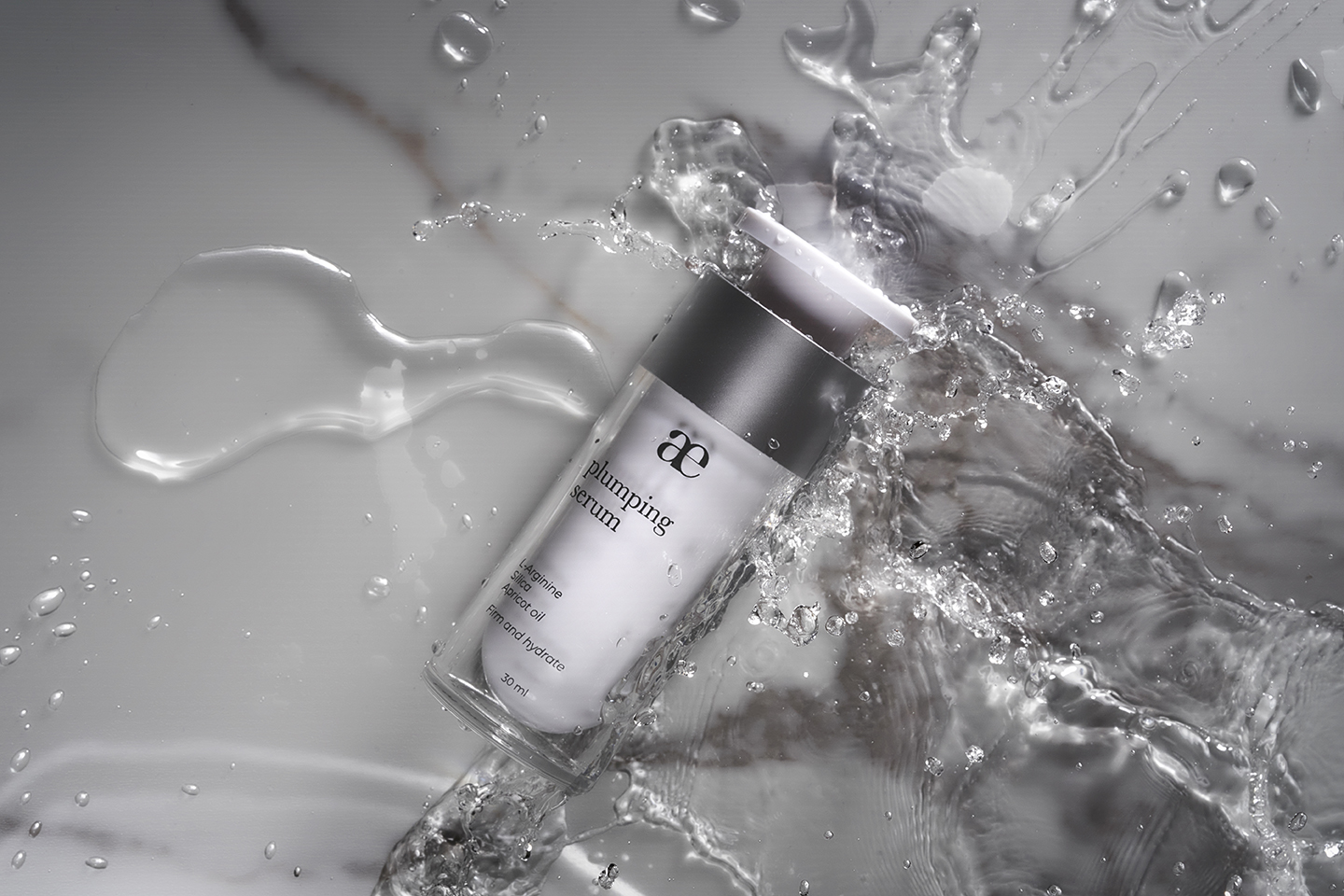
Peptides are among the most effective and well-researched ingredients in modern skincare. You see them on serum labels and in “anti-aging” claims, but what are they, and do they actually work? This guide walks you through what peptides are, how they benefit skin, which types to look for, and how to use them for real, visible results.
What Are Peptides?
Peptides are short chains of amino acids—the same building blocks that make up proteins like collagen and elastin. In the skin, collagen and elastin give structure, firmness, and bounce. As we age, production of these proteins drops, and damage from sun and environment breaks them down. That’s where peptides come in.
When applied in skincare, certain peptides can penetrate the skin and send signals to cells to produce more collagen and elastin, support the skin barrier, or calm inflammation. They don’t replace proteins; they help your skin make and maintain them. Think of them as messengers that tell your skin to act younger.
How Peptides Work in Skincare
Peptides work in a few main ways. Signal peptides tell fibroblasts (the cells that make collagen) to ramp up production. Carrier peptides deliver trace minerals like copper that are needed for healthy collagen. Some peptides support the barrier so skin holds moisture better, and others have a calming effect that can reduce redness and sensitivity.
Because they’re smaller than full proteins, peptides can get into the skin where they need to work. Formulation matters: the right molecular size, stability, and concentration all affect whether a peptide serum actually delivers results. Quality formulas use peptides at effective levels and keep them stable so they work as intended.
Types of Peptides and What They Do
Not all peptides do the same thing. The table below summarizes common categories and what to expect from each.
| Peptide type | What it does | What you may notice |
|---|---|---|
| Signal peptides (e.g. Palmitoyl Tripeptide-1, Matrixyl) | Signal fibroblasts to produce more collagen and elastin | Firmer skin, fewer fine lines over time |
| Carrier peptides (e.g. Copper peptides) | Deliver copper to support collagen-building enzymes | Smoother texture, wound healing support |
| Neurotransmitter-inhibiting peptides (e.g. Argireline) | May soften repeated muscle movements that cause lines | Softer expression lines (e.g. forehead, crow’s feet) |
| Barrier-support peptides | Support the skin barrier and hydration | Calmer, more resilient, less sensitive skin |
Most effective anti-aging serums use a combination—for example signal peptides for collagen plus barrier or calming peptides—so you get both structural support and healthier, happier skin.
Benefits of Peptides for Skin
Firmer, plumper skin. By supporting collagen and elastin production, peptides help restore some of the structure that time and sun take away. You won’t see it overnight, but over weeks to months skin can look fuller and less crepey.
Smoother texture and fewer fine lines. As new collagen is laid down and the barrier is supported, skin texture can improve and fine lines become less noticeable. Results are gradual and depend on consistency and formula quality.
Stronger barrier and better hydration. Some peptides help the barrier hold moisture and defend against irritants. That can mean less sensitivity, less redness, and skin that feels more comfortable and hydrated.
Compatibility with other actives. Peptides generally play well with ingredients like hyaluronic acid, niacinamide, and antioxidants. Many people use a peptide serum in the same routine as retinol or vitamin C, which can give a more complete anti-aging approach.
How to Use Peptide Skincare
Apply your peptide serum to clean, slightly damp skin so it can absorb well. Use it once or twice daily as directed—consistency matters more than loading up once in a while. Give it at least six to eight weeks before judging results; collagen turnover is slow.
If you use retinol or other actives, apply your peptide product first, wait a few minutes, then layer the rest. Always follow with moisturizer and, during the day, sunscreen. Sun protection is essential so that the collagen you’re supporting isn’t broken down by UV.
Common Questions About Peptides
Are peptides safe for sensitive skin?
Many peptides are well tolerated and can even support barrier function. If you have very sensitive skin, patch test first and choose formulas without unnecessary fragrance or irritants.
Can I use peptides with retinol?
Yes. Peptides and retinol work in different ways and can be used together. Apply your peptide serum first, wait a few minutes, then apply retinol. The peptide layer can help buffer sensitivity for some people.
How long until I see results from peptides?
Skin doesn’t rebuild collagen in a few days. Most people start to notice smoother texture or a subtle firming in about six to eight weeks, with continued improvement over several months. Consistency and a well-formulated product matter most.
Do peptides work as well as retinol?
They work differently. Retinol speeds up cell turnover and can improve texture and tone; peptides support collagen and elastin production and barrier health. Many routines use both for complementary benefits rather than choosing one over the other.
What concentration of peptides do I need?
Effective levels depend on the specific peptide. Look for products that disclose peptide content (e.g. in the 1–5% range for some signal peptides) and that cite research or clinical testing. “Peptide” on the label without context doesn’t guarantee efficacy.
Can peptides replace Botox or fillers?
No. Peptides can improve skin quality, firmness, and fine lines over time, but they don’t relax muscles like Botox or add volume like fillers. They’re a daily skincare tool, not a substitute for in-office procedures.