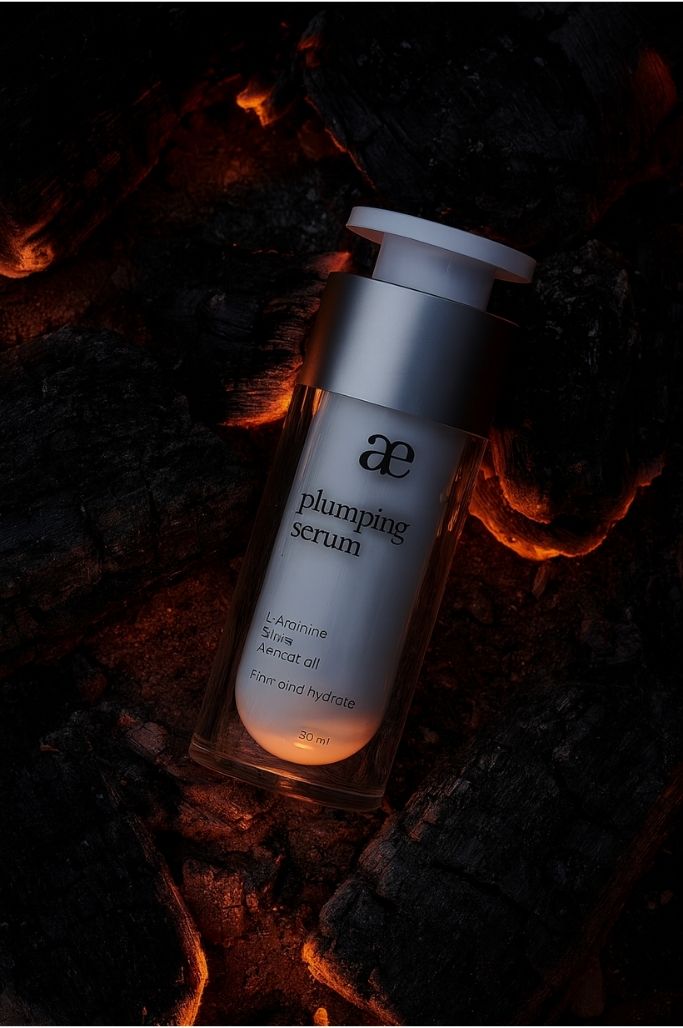
Most "best serum for your 30s" lists are a row of pretty bottles with no explanation of why one is better than another. This one is ranked by ingredient, because in your 30s the ingredient and its concentration are what decide whether a serum does anything. We name nine serums, say what each one is actually for, give an approximate price per ounce, and then show how to combine two or three of them into a routine that fits a decade built around prevention.
One disclosure up front: the only serum on this list we sell is our own, AE Plumping Serum. We rank it first as the daily base because that is the slot it was formulated for, and we say plainly below what it does not do (it is not a retinoid and it is not a vitamin C). The other eight are products we would recommend to a friend, and we have no affiliate relationship with any of them.
How We Ranked These Serums
Every serum here had to pass four tests:
Prices are approximate US list prices at the time of writing (September 2026) and change often. Check the retailer before you buy.
The Best Anti-Aging Serums for Your 30s, Ranked
| Rank | Serum | Key actives | Best for | Approx. price | Per fl oz |
|---|---|---|---|---|---|
| :--- | :--- | :--- | :--- | :--- | :--- |
| 1 | AE Plumping Serum (Ambered Ember) | Palmitoyl tripeptide-1 and -7, multi-weight hyaluronic acid, ceramide NG, niacinamide | Daily base for prevention, hydration and barrier | $48 (30 ml) | ~$47 |
| 2 | SkinCeuticals C E Ferulic | 15% L-ascorbic acid, 1% vitamin E, 0.5% ferulic acid | Morning antioxidant, the reference vitamin C | ~$180 (30 ml) | ~$180 |
| 3 | Timeless 20% Vitamin C + E + Ferulic | 20% L-ascorbic acid, vitamin E, ferulic acid | Budget vitamin C with the same formula logic | ~$26 (30 ml) | ~$26 |
| 4 | Paula's Choice Clinical 0.3% Retinol + 2% Bakuchiol | 0.3% retinol, 2% bakuchiol | First retinoid, low irritation | ~$64 (30 ml) | ~$64 |
| 5 | CeraVe Skin Renewing Retinol Serum | Encapsulated retinol, ceramides, niacinamide | Drugstore retinol for beginners | ~$22 (30 ml) | ~$22 |
| 6 | Medik8 Crystal Retinal 3 | 0.03% retinaldehyde | Retinoid for sensitive or reactive skin | ~$70 (30 ml) | ~$70 |
| 7 | The Ordinary Multi-Peptide + Copper Peptides 1% | Copper peptides, Matrixyl, Argireline, HA | Budget peptide serum | ~$32 (30 ml) | ~$32 |
| 8 | La Roche-Posay Hyalu B5 Serum | Hyaluronic acid, vitamin B5, madecassoside | Pure hydration for sensitive skin | ~$40 (30 ml) | ~$40 |
| 9 | Estée Lauder Advanced Night Repair | Tripeptide-32, hyaluronic acid, antioxidants | Night serum with a long track record | ~$85 (30 ml) | ~$85 |
1. AE Plumping Serum: the daily base
Every routine in your 30s needs one serum you use morning and night, every day, without thinking about it. That serum should hydrate, support collagen signaling and keep the barrier calm enough that you can tolerate a retinoid on the nights you use one. AE Plumping Serum was built for exactly that slot: palmitoyl tripeptide-1 and palmitoyl tripeptide-7 (the pair sold as Matrixyl 3000) for collagen signaling, hyaluronic acid at several molecular weights for surface and deeper hydration, ceramide NG for the barrier, and niacinamide for tone and barrier strength. It is fragrance-free and layers under sunscreen and makeup without pilling.
What it does not do: it is not a vitamin C and it is not a retinoid. Those are separate slots, and you fill them from the picks below. If you only want to buy one serum in your 30s, this is the one, and you add SPF. If you want the full prevention stack, this is the base you build on. Read the full ingredient breakdown for concentrations and sourcing.
The daily base for your 30s
Peptides, multi-weight hyaluronic acid, ceramide NG and niacinamide in one fragrance-free serum. $48, free US shipping, used twice daily it lasts six to eight weeks.
Shop plumping serum2. SkinCeuticals C E Ferulic: the reference vitamin C
If money is no object, this is the morning serum dermatologists keep recommending for a reason. The combination of 15% L-ascorbic acid with vitamin E and ferulic acid is the formula that the original antioxidant photoprotection research was built on, and it still performs. In your 30s it is a prevention product: it neutralizes the free radicals your sunscreen misses and it brightens uneven tone over eight to twelve weeks. The downsides are the price, a slightly medicinal smell, and a short shelf life once opened. Use it within three months.
3. Timeless 20% Vitamin C + E + Ferulic: the budget vitamin C
Same three-ingredient logic as C E Ferulic at roughly one seventh of the price. The concentration is higher (20%), which some skin finds tingly, and the packaging is a simple dropper that lets air in, so buy the small size and keep it in the fridge. If you have never used a vitamin C serum, start here and see whether your skin likes L-ascorbic acid before spending more.
4. Paula's Choice Clinical 0.3% Retinol + 2% Bakuchiol: the first retinoid
A retinoid is the single most evidence-backed anti-aging ingredient after sunscreen, and your 30s are the decade to start one. This is the starter we recommend most often: 0.3% retinol is enough to build tolerance and see results on fine lines within three to four months, and the bakuchiol softens the irritation curve. Use it two nights a week for a month, then three. Apply it over a hydrating base like AE Plumping Serum to reduce flaking. See our guide to the retinol sandwich method if your skin is reactive.
5. CeraVe Skin Renewing Retinol Serum: the drugstore retinol
CeraVe does not disclose the retinol percentage, and it is low, which is the point. The encapsulated retinol releases slowly, the ceramides and niacinamide buffer it, and most people can use it nightly within a few weeks. It will not deliver the results of a 0.3% or 0.5% retinol, but for someone in their early 30s who has never used a retinoid, it is the lowest-risk entry point on the market for about $22.
6. Medik8 Crystal Retinal 3: the retinoid for sensitive skin
Retinaldehyde (retinal) sits one step closer to retinoic acid than retinol, so it works faster at a lower concentration, and Medik8's encapsulation makes it unusually tolerable. Crystal Retinal 3 is the entry strength. If you have tried retinol twice and given up both times because of redness and peeling, this is the one to try instead. It is expensive per ounce, but you use a pea-sized amount and a tube lasts three to four months.
7. The Ordinary Multi-Peptide + Copper Peptides 1%: the budget peptide serum
The serum formerly known as Buffet + Copper Peptides packs Matrixyl 3000, Matrixyl Synthe'6, Argireline and copper peptides into one $32 bottle. It is a genuine peptide serum, and for the price it is hard to argue with. Two cautions: the copper peptides can tint light-colored fabrics and should not be layered directly with L-ascorbic acid vitamin C, and the texture is tacky under sunscreen. It is the right choice if you want a peptide serum at night only and a different serum in the morning. For a peptide serum that also carries the barrier and hydration load, see the Matrixyl vs Argireline comparison.
8. La Roche-Posay Hyalu B5 Serum: pure hydration for sensitive skin
No peptides, no acids, no retinoid: just hyaluronic acid, vitamin B5 and madecassoside from centella. This is the serum for the person in their 30s whose main complaint is that skin looks tired and tight by mid-afternoon, and whose skin reacts to almost everything. Apply it to damp skin and seal with moisturizer. If you want the same hydration plus peptides and a ceramide, AE Plumping Serum covers both jobs in one step.
9. Estée Lauder Advanced Night Repair: the long-standing night serum
Advanced Night Repair has been reformulated many times, and the current version leans on tripeptide-32, hyaluronic acid and a large antioxidant blend. It is a comfortable, lightly fragranced night serum with decades of use behind it. We rank it last not because it is bad but because it is the most expensive way on this list to get peptides and hydration, and it is fragranced, which matters if you plan to layer a retinoid over it. For a dedicated night routine, read our best night serum for your 30s guide.
What Actually Changes in Your 30s
Skin does not age on a birthday, but the trend lines shift in ways that explain why prevention pays off so heavily in this decade:
None of these are problems to fix yet. They are trends to slow. That is why the serums that matter most in your 30s are the ones that protect (vitamin C, SPF), signal (peptides, retinoids) and hydrate (hyaluronic acid, ceramides), rather than the aggressive resurfacing products marketed to older skin.
The Four Ingredients That Matter in Your 30s
Peptides
Signal peptides like palmitoyl tripeptide-1 and palmitoyl tripeptide-7 tell fibroblasts to keep producing collagen and elastin. They do not irritate, they work in the morning and at night, and they are the ideal daily active for a decade when your goal is maintaining what you have. Our complete peptide guide covers the types and what the evidence says for each.
Vitamin C
L-ascorbic acid at 10 to 20% is the best-studied topical antioxidant. In the morning under sunscreen it reduces the oxidative damage that drives collagen breakdown, and over two to three months it evens tone. It is the one ingredient on this list where the expensive version (C E Ferulic) and the budget version (Timeless) share the same core formula.
A retinoid
Retinol, retinaldehyde and prescription tretinoin all convert to retinoic acid in the skin and speed cell turnover while stimulating collagen. This is the ingredient with the longest evidence trail for reducing fine lines. In your 30s, low strength two or three nights a week is enough, and starting now means your skin is fully adapted by the time you want more in your 40s. Read peptides vs retinol for how the two fit together.
Hyaluronic acid and a barrier lipid
Hydration is not glamorous, but it is what makes plump, reflective skin in your 30s, and it is what lets you tolerate the actives above. Multi-weight hyaluronic acid hydrates the surface and the layers beneath it; a ceramide keeps the water in. See types of hyaluronic acid for why molecular weight matters.
How to Build the Routine
You do not need all nine serums. You need one from each slot, and you can start with two.
| Step | Morning | Evening |
|---|---|---|
| :--- | :--- | :--- |
| Cleanse | Gentle, non-foaming cleanser | Same |
| Vitamin C | C E Ferulic or Timeless on dry skin | Skip |
| Daily base | AE Plumping Serum on damp skin | AE Plumping Serum on damp skin |
| Retinoid | Skip | 2 to 3 nights per week: Paula's Choice 0.3%, CeraVe, or Crystal Retinal 3 |
| Moisturizer | Light to medium | Medium |
| SPF 30+ | Every day, no exceptions | Skip |
The minimum viable version is the daily base plus SPF. Add vitamin C when you can afford it. Add the retinoid once the base routine feels automatic, because the biggest reason people quit retinoids in their 30s is starting them on a dehydrated, unbuffered face.
What to Skip in Your 30s
Common Questions
What is the best anti-aging serum for 30s sensitive skin?
Start with a fragrance-free hydrating base such as AE Plumping Serum or La Roche-Posay Hyalu B5, and choose retinaldehyde (Medik8 Crystal Retinal 3) over retinol when you are ready for a retinoid. Skip L-ascorbic acid vitamin C at first; sensitive skin often tolerates a vitamin C derivative better.
What is the best night serum for your 30s?
A peptide and hyaluronic acid serum every night, with a low-strength retinoid layered on top two or three nights a week. Advanced Night Repair is the classic fragranced option; AE Plumping Serum is the fragrance-free one that also works in the morning.
Is a $48 serum worth it at 30?
Used twice daily, a 30 ml serum lasts six to eight weeks, so AE Plumping Serum costs roughly a dollar a day for peptides, hyaluronic acid, ceramide NG and niacinamide together. Buying those four as separate serums costs more and takes four steps.
Should I use retinol or peptides in my 30s?
Both, in different slots. Peptides go on every morning and night as the base. Retinol goes on two or three nights a week on top. They do not compete; the peptide serum makes the retinol easier to tolerate.
At what age should you start using anti-aging serum?
Prevention ingredients (SPF, antioxidants, hydration) are appropriate from your mid-20s. A low-strength retinoid is reasonable from about 30, or earlier if you have acne. There is no benefit in waiting for lines to appear before starting.
What is the best anti-aging serum for a 30-year-old on a budget?
CeraVe Skin Renewing Retinol Serum at night and Timeless Vitamin C in the morning together cost under $50 and cover the two highest-evidence actives. Add a hydrating base when you can.
The Verdict
The best anti-aging serum for your 30s is not one product. It is one daily base that hydrates and signals collagen, one morning antioxidant, and one gentle retinoid a few nights a week, all under sunscreen. Our pick for the base is AE Plumping Serum, because it covers peptides, multi-weight hyaluronic acid, ceramide NG and niacinamide in one fragrance-free step at about a dollar a day. Pair it with whichever vitamin C and retinoid on this list fit your skin and budget, and you have a routine that will still be right when you read our guide for your 40s.