"I started a peptide serum and now I'm breaking out." If that sounds familiar, the peptide itself is usually not the culprit. Peptides are not known to cause purging the way retinol or acids do, and they're rarely comedogenic. More often, breakouts after adding a peptide product come from irritation, a clogged routine (too many occlusives or heavy moisturizers), or something else in the formula or routine.
This guide explains the real reasons you might see breakouts when using peptides—purging vs. irritation vs. clogged pores—and how to fix common pairing mistakes so you can keep the benefits of peptides without the bumps.
Do Peptides Actually Cause Purging or Breakouts?
Short answer: Peptides do not trigger "purging" in the way retinol or AHAs/BHAs do. Purging happens when an ingredient speeds up cell turnover (e.g. retinol, acids), bringing existing clogs to the surface. Peptides support collagen and hydration; they don't accelerate shedding in that way. So if you're getting new pimples or congestion after starting a peptide serum, it's more likely one of the following: irritation, a comedogenic or heavy product elsewhere in your routine, or a reaction to another ingredient in the peptide product (e.g. fragrance, certain oils, or a base that doesn't suit your skin).
That said, any new product can cause a one-off reaction. If breakouts started only after introducing the peptide serum, consider simplifying your routine and reintroducing it later, or trying a different formula (e.g. lighter, fragrance-free, non-comedogenic). For more on gentle peptide use, see peptide serum for sensitive skin.
Purging vs. Irritation vs. Clogged Pores
Purging (real purging): Typically happens with retinoids or chemical exfoliants. Breakouts are often in areas where you usually get congestion, appear relatively quickly (within a few weeks), and then improve as turnover normalizes. Peptides don't cause this.
Irritation: Redness, stinging, small bumps, or a rash-like reaction. Can look like breakouts but is often more diffuse or in areas you don't usually get acne. Can be from a single product (e.g. fragrance, high concentration of an active) or from layering too many actives or over-exfoliating. Easing off actives and focusing on barrier repair usually helps.
Clogged pores / comedogenic buildup: Blackheads, whiteheads, or small bumps in oily or congestion-prone areas. Often from using too many occlusives (heavy creams, oils, balms), layering thick products that trap oil and dead cells, or a specific ingredient that clogs your skin. Fixing this usually means simplifying layers and switching to lighter or non-comedogenic options. For why your skin can look worse with the wrong moisturizer, see why skin looks worse after moisturizer.
Common Pairing Mistakes That Lead to Breakouts
1. Too many occlusives. Occlusives (e.g. petrolatum, heavy butters, thick creams) seal in moisture—great for dry or dehydrated skin, but in excess they can trap oil and debris and lead to congestion. If you've added a peptide serum and also use a heavy moisturizer, face oil, and sleeping mask every night, try cutting back to one occlusive (e.g. one solid moisturizer) and see if congestion improves.
2. Heavy moisturizers over a rich serum. Peptide serums are often water-based or light. If you layer a very rich, oily moisturizer on top every time, you might be over-sealing. Consider a lighter moisturizer or using the heavy one only where you need it (e.g. cheeks, not T-zone).
3. Not cleansing properly. If you're adding more layers (serum, moisturizer, SPF), make sure you're cleansing well at night so sunscreen, makeup, and excess product don't sit in pores. One gentle double cleanse or a thorough single cleanse can make a big difference.
4. Mixing too many actives. Peptides are generally gentle, but if you're also using strong retinol, vitamin C, and acids in the same routine, your barrier can become compromised and your skin may react with irritation or breakouts. Introduce peptides on a calm routine first; then add other actives gradually. For compatibility, see peptides with vitamin C or niacinamide.
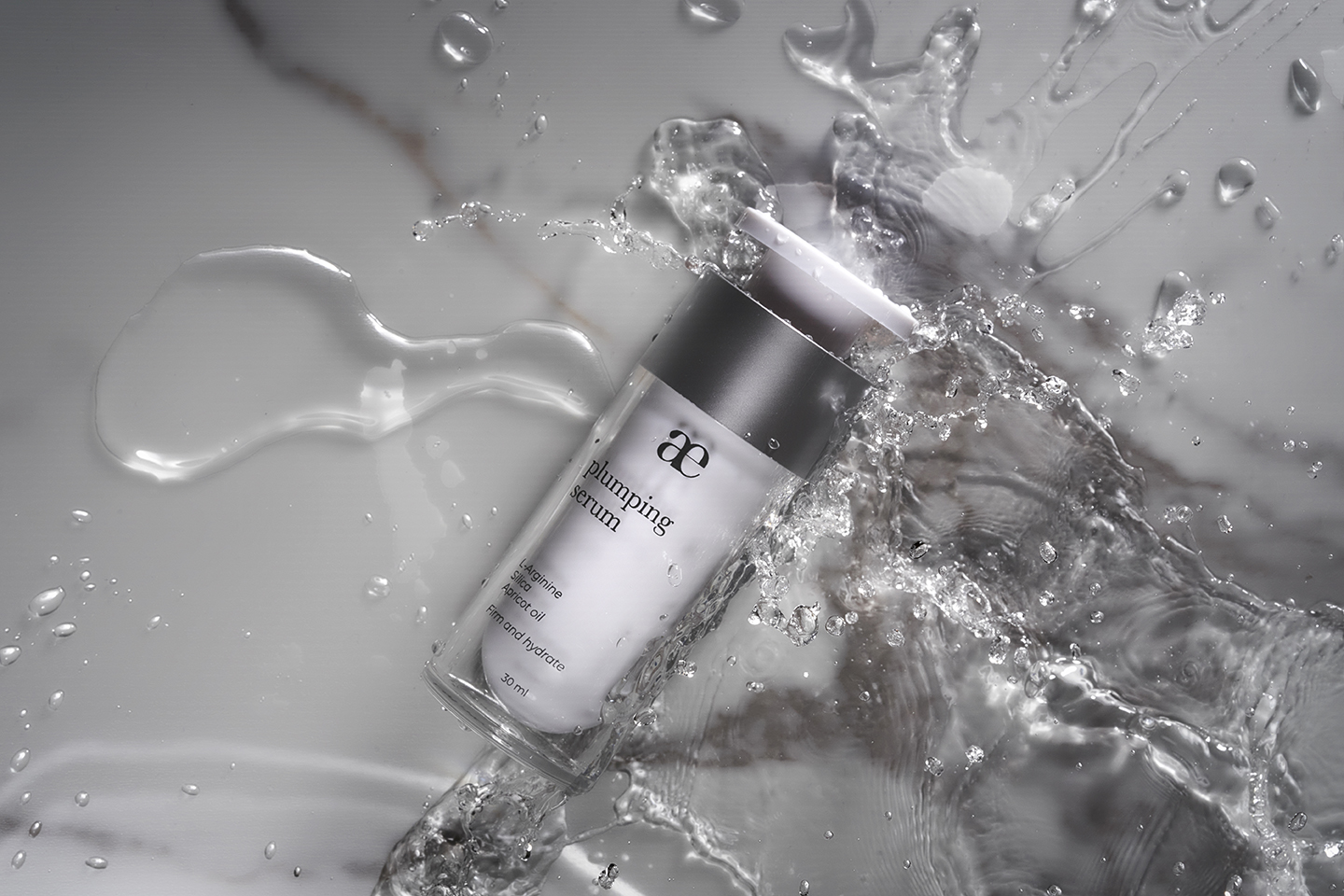
5. Comedogenic ingredients in the peptide product or elsewhere. Some people break out from certain oils, isopropyl myristate, or heavy silicones. Check the full ingredient list of your peptide serum and the rest of your routine. If your peptide product is clean and lightweight (e.g. Ambered Ember Plumping Serum) and you're still congested, the cause is often another product or too many layers.
What to Do If You Break Out After Starting Peptides
Step 1: Simplify. Go back to a minimal routine: gentle cleanser, one moisturizer, SPF in the morning. Remove the peptide serum and any other new or heavy products for 1–2 weeks. Let your skin calm down and your barrier recover.
Step 2: Reintroduce the peptide alone. Once your skin is clear and calm, add the peptide serum back—on damp skin, under a single moisturizer—and use it for at least a week without adding anything else. If breakouts return, the formula (or an ingredient in it) may not suit you; try a different peptide serum (e.g. lighter, fragrance-free).
Step 3: Check the rest of your routine. If breakouts don't return when the peptide is the only new thing, the cause was likely another product or too many layers. Reintroduce other products one at a time so you can identify the culprit.
Step 4: Consider non-comedogenic options. If you're prone to congestion, choose peptide serums and moisturizers that are labeled non-comedogenic or have lighter textures, and avoid piling on oils and heavy balms unless your skin truly needs them.
Peptides and Acne-Prone Skin
Peptides can be a good option for acne-prone skin because they support barrier function and hydration without the turnover push of retinol or acids. A lightweight, non-comedogenic peptide serum (with HA and maybe niacinamide) can help maintain a healthy barrier while you use other treatments. Just keep the rest of your routine simple and avoid over-occluding. For a full routine framework, see best AM/PM skincare routine.
Common Questions
Do peptides cause purging like retinol?
No. Peptides don't accelerate cell turnover the way retinol or acids do, so they don't cause true purging. If you see breakouts after starting a peptide serum, it's more likely irritation, a comedogenic product, or too many occlusives in your routine.
Can a peptide serum be comedogenic?
Peptide serums are often water-based and not inherently comedogenic. Comedogenicity usually comes from specific ingredients (e.g. some oils, heavy silicones) in a formula. Choose a lightweight, non-comedogenic peptide serum and avoid layering multiple heavy moisturizers or oils on top.
I'm breaking out only on my chin/jaw. Is it the peptide serum?
Chin and jaw breakouts can be hormonal, from touching your face, or from product buildup (e.g. toothpaste, heavy moisturizer). If they started when you added the peptide serum, try removing it for 2 weeks. If breakouts stop, reintroduce it alone; if they continue, the cause is likely elsewhere (routine, hormones, or another product).
How long should I wait to see if peptides are causing my breakouts?
Give any new product at least 2–3 weeks. If breakouts appear soon after starting the peptide serum and ease when you stop, that suggests the product or your layered routine is involved. Simplify, then reintroduce the peptide alone to confirm.
Can I use peptides with salicylic acid or benzoyl peroxide for acne?
Peptides can be used in the same routine as acne treatments, but not necessarily at the same time. Use actives like salicylic acid or benzoyl peroxide as directed (often PM), and peptide serum in the morning or on alternate nights. Avoid over-drying or over-exfoliating; barrier support helps acne-prone skin stay balanced.