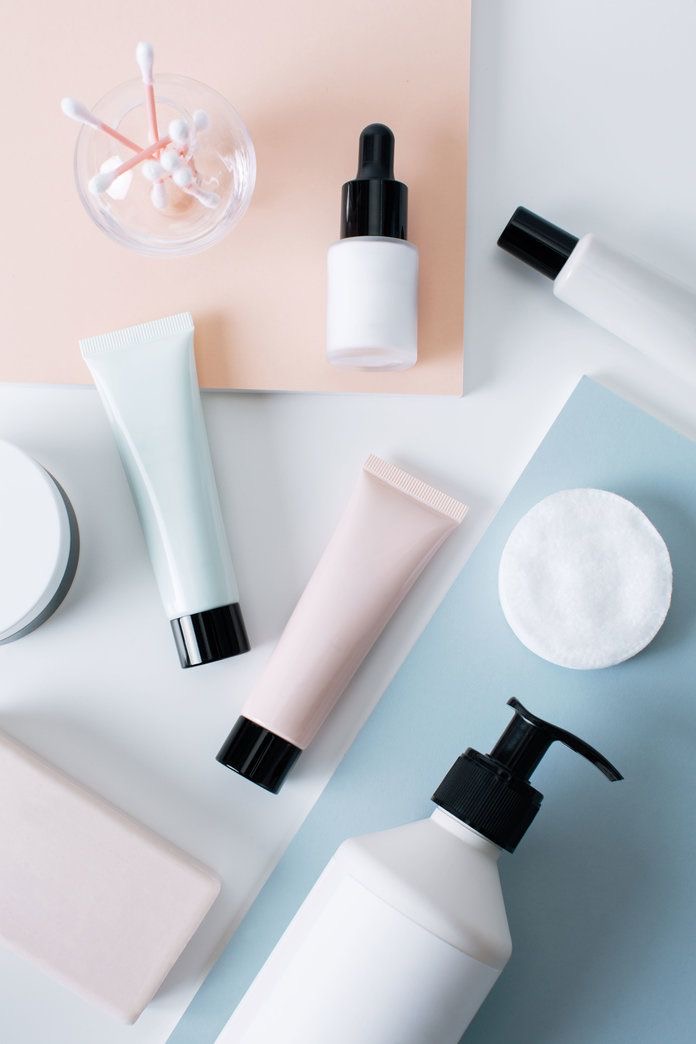
Sensitive skin doesn’t have to sit out on peptides. When chosen and used carefully, peptide serums can support firmer, plumper skin without the redness, stinging, or flare-ups that strong actives often cause. The key is a calming routine, knowing which ingredients to watch for, how to patch test properly, and how to layer peptides with barrier-supporting ingredients like ceramides.
This guide walks you through using a peptide serum on sensitive or reactive skin—including ingredient watch-outs, patch-test steps, and the best layering with ceramides and a gentle AM/PM routine.
Why Peptides Can Work for Sensitive Skin
Peptides are short chains of amino acids that signal the skin to support collagen, elasticity, and hydration. Unlike retinol or strong acids, they typically don’t cause the same level of irritation or peeling. That makes them a strong option for sensitive skin when you want anti-aging and plumping benefits without the reaction risk of stronger actives. For a deeper comparison, see peptides vs retinol.
Sensitive skin often has a weaker skin barrier, so it loses moisture more easily and reacts to irritants faster. Peptides can support barrier function and hydration when they’re paired with calming, barrier-friendly formulas—and when you avoid known triggers like high concentrations of other actives, fragrance, or harsh preservatives in the same routine.
Ingredient Watch-Outs in Peptide Serums
Not all peptide serums are equal for reactive skin. Here’s what to look for and what to avoid.
Favor: - Low-fragrance or fragrance-free formulas to reduce the chance of stinging or redness. - Soothing ingredients in the same product—e.g. calendula, centella, niacinamide (around 5%), or aloe—which can buffer sensitivity. - Ceramides or barrier lipids in the serum or in the rest of your routine so peptides work on a supported barrier. - Multi-weight hyaluronic acid for hydration and plump without irritation; see hyaluronic acid benefits for why it pairs well with peptides.
Watch out for: - High concentrations of vitamin C or acids in the same product as peptides; they can increase irritation when combined in one formula. - Heavy fragrance or essential oils if your skin is easily triggered. - Long, complex ingredient lists when you’re still building tolerance; simpler formulas make it easier to identify triggers. - Multiple strong actives (e.g. retinol + acid + high-dose vitamin C) in the same routine; introduce peptides first on a calm, minimal routine.
A plumping serum that combines peptides with HA, ceramides, and calming botanicals is one way to get peptide benefits in a formula designed for gentler use.
How to Patch Test a Peptide Serum
Patch testing helps you confirm that a new peptide serum doesn’t cause a reaction before you use it on your full face.
Where to test: Use a small area that’s sensitive but easy to hide—e.g. the side of the neck, behind the ear, or the inner arm. Some people also test on a small area of the jaw or cheek.
Steps: 1. Apply a small amount of the peptide serum to the patch area once per day. 2. Leave it on; don’t wash it off immediately. 3. Repeat for at least 5–7 days, checking daily for redness, itching, stinging, or bumps. 4. If there’s no reaction, you can try applying the serum to your full face—starting with every other day, then daily if your skin tolerates it.
If you notice any reaction, stop use and return to your baseline sensitive skin routine (gentle cleanser, barrier serum or moisturizer, SPF). Once your skin is calm again, you can try a different peptide product or a lower frequency.
Best Layering With Ceramides and Barrier Support
Layering order matters for absorption and comfort. A simple rule: apply water-based, thinner products first, then thicker or more occlusive ones. For the full logic, see how to layer skincare.
Suggested order for a gentle peptide + barrier routine:
| Step | Product type | Why |
|---|---|---|
| 1 | Gentle cleanser | Clean canvas without stripping the barrier. |
| 2 | Peptide serum (on damp skin) | Peptides and HA absorb well on slightly damp skin; apply before heavier layers. |
| 3 | Ceramide or barrier serum/moisturizer | Ceramides and lipids seal in hydration and support the barrier so peptides can work on healthier skin. |
| 4 | Moisturizer (if separate) | Locks in everything; use a fragrance-free formula for sensitive skin. |
| 5 | SPF (AM only) | Protects barrier and prevents irritation from UV. |
If your peptide serum already contains ceramides and HA, you may only need a moisturizer and SPF on top. Avoid piling on multiple actives (e.g. retinol or strong acids) in the same routine until your skin is stable with the peptide serum.
Calming Routine Examples
Minimal (sensitive, first-time peptide user): - AM: Gentle cleanse or water → peptide serum on damp skin → ceramide-rich moisturizer → mineral SPF. - PM: Gentle cleanser → peptide serum on damp skin → barrier moisturizer.
With a bit more hydration: - AM: Gentle cleanser → hydrating toner (optional, no alcohol) → peptide + HA serum → ceramide moisturizer → SPF. - PM: Gentle cleanser → peptide + HA serum → richer barrier moisturizer.
Once this feels comfortable, you can consider adding a low-strength vitamin C or niacinamide in a separate step—still one new product at a time, with patch testing.
When to Ease Off
If your skin becomes redder, tighter, or more reactive after starting a peptide serum, scale back: use it every other day or every few days, or pause and focus on barrier repair and a minimal routine. Sensitive skin often does better with consistency and fewer products than with pushing through irritation.
Common Questions
Can I use a peptide serum if I have rosacea or very reactive skin?
Many people with rosacea or reactive skin tolerate peptide serums well, especially fragrance-free formulas with calming ingredients (e.g. calendula, niacinamide). Always patch test first and introduce peptides only when your baseline sensitive skin routine is stable. If you’re under a dermatologist’s care, ask before adding new actives.
Should I apply peptide serum before or after moisturizer?
Apply peptide serum before moisturizer, on slightly damp skin. Serums are thinner and absorb first; ceramide or barrier moisturizer on top seals in hydration and supports the barrier. See how to layer skincare for the full order.
How long until I see results from a peptide serum on sensitive skin?
Hydration and comfort can improve within days to a couple of weeks. Firmness and fine-line support from peptides often take 6–8 weeks of consistent use. If you’re using it every other day to avoid irritation, results may take a bit longer but are still achievable.
Can I use peptides with niacinamide?
Yes. Peptides and niacinamide are generally compatible and both support the barrier. Many gentle peptide serums include niacinamide. For more on pairing actives, see peptides with vitamin C or niacinamide.
What if my peptide serum stings when I apply it?
Occasional mild tingling can happen; persistent stinging or redness is a sign to stop. Check that you’re not layering too many actives (e.g. strong vitamin C or acids) in the same routine. Simplify to cleanser, peptide serum, and barrier moisturizer, and consider a formula with more soothing ingredients. If stinging continues, discontinue and focus on barrier repair before trying another peptide product.