Most setbacks in skincare come from one of three problems: doing too much too fast, using the wrong texture for your climate or skin type, or changing multiple variables at once. Throughout this guide, we will prevent all three. You will also find links to foundational guides like barrier repair, layering order, and dehydration causes so you can go deeper when needed.
Quick Answer
If you only remember one thing: consistency beats intensity. A moderate routine followed daily almost always outperforms an aggressive routine used inconsistently. Start with gentle cleansing, hydration, barrier support, and daily SPF. Add actives only when skin is calm for at least two weeks. This approach lowers irritation risk while improving tone, texture, and comfort.
What the Sandwich Method Does
The retinol sandwich method places moisturizer before and after retinol to reduce peak irritation. It does not make retinol useless; it changes delivery intensity so beginners can maintain consistency.
Who Should Start With Sandwiching
Beginner Rollout Plan
Start twice weekly on non-consecutive nights. Keep all other actives low or paused initially. If skin remains comfortable for two weeks, increase to three nights weekly before increasing concentration.
When to Transition Away
If your skin is stable for 4-8 weeks, you can test a lighter buffer approach. Move gradually. If stinging returns, revert to the prior phase.
Signs You Should Simplify Immediately
When you see these patterns, reduce your routine to the essentials for 10-14 days. This is not "giving up" on results. It is creating the conditions that make results possible.
Framework: Build Your Core First
Your core routine should be simple enough to follow on your busiest days:
This mirrors the structure in our AM/PM routine guide and nighttime routine. The objective is to maintain hydration and barrier resilience while preventing unnecessary irritation.
Action Plan Table
| Phase | Frequency | Buffering Level | Goal |
|---|---|---|---|
| Weeks 1-2 | 2 nights/week | Moisturizer + retinol + moisturizer | Build baseline tolerance |
| Weeks 3-4 | 3 nights/week | Light sandwich | Improve consistency |
| Weeks 5-8 | 3-4 nights/week | Optional pre-moisturizer only | Increase efficacy gradually |
| Beyond week 8 | As tolerated | Customize by skin response | Long-term sustainable use |
Use the table as a decision tool, not a strict rulebook. If your skin becomes reactive, move one row "backward" temporarily until comfort returns. Progress is rarely linear, and that is normal.
Ingredient Priorities (in order)
1) Barrier Support
Barrier-supporting ingredients reduce moisture loss and improve tolerance. Look for ceramides, cholesterol, fatty acids, and soothing agents. When the barrier is healthy, every other step performs better.
2) Hydration Layer
Humectants like hyaluronic acid and glycerin help increase water content in the outer layers of skin. Apply on slightly damp skin, then seal with moisturizer. If air is very dry, pair humectants with richer emollients so hydration does not evaporate quickly.
3) One Targeted Active
Pick one active tied to your priority concern. Do not run a multi-active experiment if your skin is unstable. If your focus is texture and early lines, compare options in peptides vs retinol. If your skin is reactive, prioritize calming and barrier care first.
4) Daily Sunscreen
Without consistent SPF, progress stalls. UV exposure can increase redness, uneven tone, and dehydration signs. Use a sunscreen you can actually reapply. Elegant texture and routine compatibility matter more than theoretical perfection.
Interlinking Strategy for Better Results
Smart interlinking helps you follow a complete path instead of isolated tips:
When routines are connected this way, each step reinforces the next and results become more predictable over time.
Common Mistakes That Delay Progress
First, changing too many products in one week. If irritation appears, you cannot tell which product caused it. Introduce one variable every 10-14 days.
Second, treating every day like a high-performance treatment day. Skin needs recovery windows. Even resilient skin benefits from lower-intensity nights.
Third, using product quantity as a proxy for quality. More layers can increase friction, pilling, and irritation.
Fourth, ignoring environmental stressors. Indoor heating, AC, frequent travel, and hard water can all change how your routine behaves.
Fifth, quitting too early. Barrier and hydration improvements can appear quickly, but tone and texture changes usually take several skin cycles.
30-Day Implementation Blueprint
Days 1-7: Reset
Run only core steps. Track daily notes: tightness level, redness level, and overall comfort. This gives you objective baseline data and prevents emotional product switching.
Days 8-14: Stabilize
Keep the same core routine. If skin is calm, improve technique before adding products: apply to damp skin, reduce rubbing, use measured amounts, and protect with SPF.
Days 15-21: Introduce One Targeted Step
Patch test first, then use the new step at low frequency. If skin remains calm, maintain the same schedule rather than increasing too quickly.
Days 22-30: Optimize
Evaluate what actually changed: hydration, texture, tone, comfort, and makeup wear. Keep what works, remove what does not, and avoid adding a second new active until the first is stable.
Progress Markers You Can Trust
These are meaningful wins. Visible glow and smoother texture usually follow once comfort and barrier function improve.
Buffer irritation without abandoning retinol goals
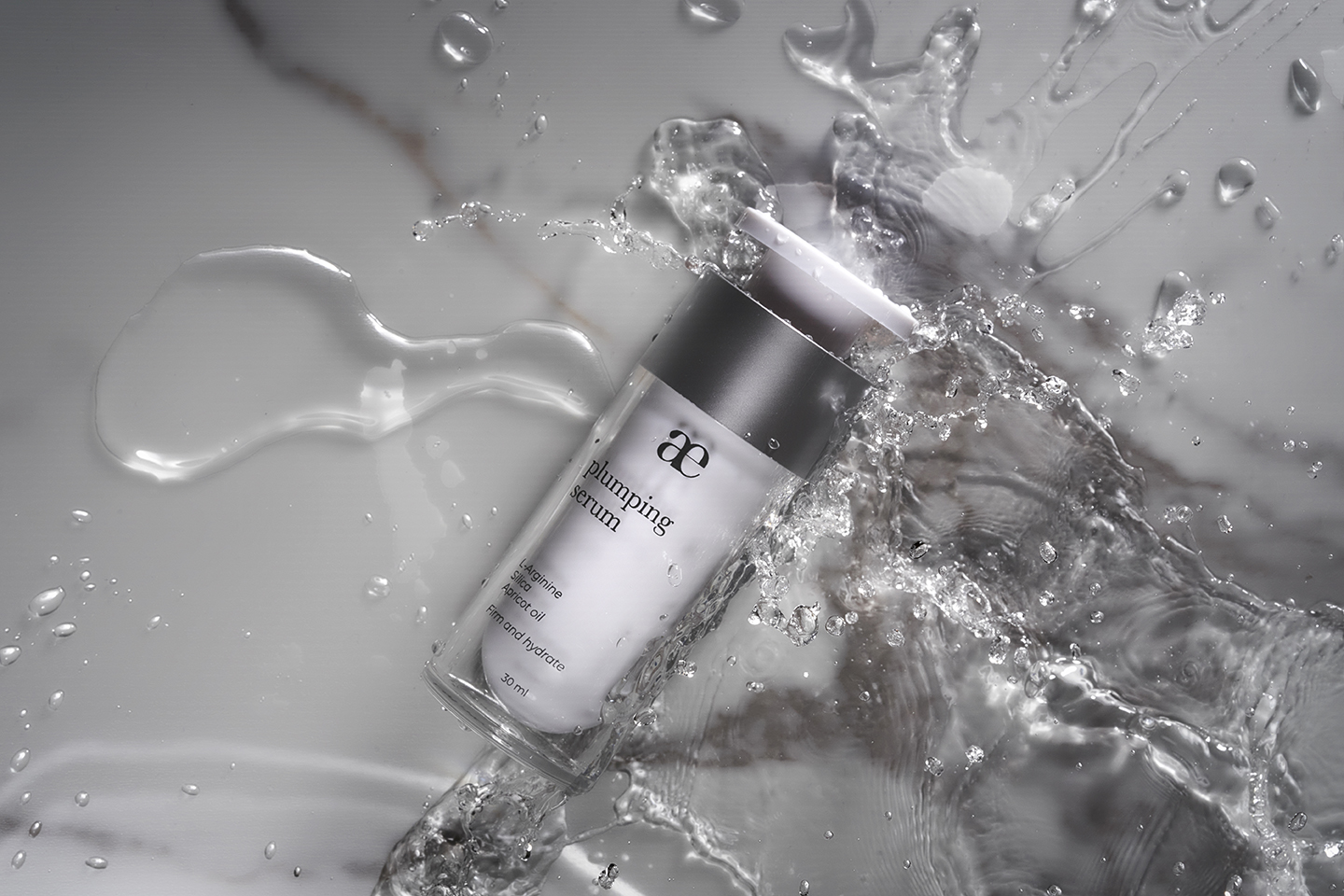
If retinoids make your skin flaky or reactive, pair your routine with Ambered Ember Plumping Serum for hydration and barrier support between active nights.
Shop plumping serumFrequently Asked Questions
How do I know if I should stop all actives right now?
If your skin burns with basic products, looks shiny-tight, or stays red for hours, pause strong actives for 1-2 weeks and run a barrier-first routine. Reintroduce one active only after symptoms settle.
Can I still exfoliate while repairing my barrier?
In many cases, less is more during recovery. If you must exfoliate, reduce frequency and choose gentler options. If stinging persists, pause exfoliation completely until skin is calm.
How long before I can expect visible change?
Comfort and hydration often improve in the first 7-14 days. Tone and texture changes usually take 4-8 weeks depending on consistency and irritation history.
Should I use a separate serum and moisturizer or an all-in-one formula?
Either can work. Many people do better with fewer layers because it improves consistency and reduces pilling risk. Choose the setup you can maintain daily.
What if my routine works at home but fails when I travel?
Climate shifts and cabin air can increase dehydration quickly. Use a simplified travel routine, avoid adding new actives during trips, and reinforce hydration plus barrier support.
Final Takeaway
The fastest way forward is often strategic simplification. Protect the barrier, hydrate consistently, keep sunscreen non-negotiable, and add complexity only when skin is clearly stable. This produces fewer setbacks, better tolerance, and stronger long-term outcomes than cycle-after-cycle of overcorrection.
Extra Notes for Consistency
Use the same cleansing pressure each day, keep water lukewarm, and avoid unnecessary friction from towels or aggressive application. Small technique changes compound over time. Keep a simple weekly check-in with three scores: comfort, hydration, and smoothness. If two of three scores are improving, keep your routine steady for another two weeks before changing anything.
Practical Weekly Checklist
At the end of each week, review your routine with a simple checklist: Did your skin feel more comfortable after cleansing? Did midday tightness decrease? Did makeup sit more evenly? Did irritation episodes become shorter? Did your routine feel easy to follow even on busy days? If at least three of these improve, keep your current plan steady for another two weeks. If not, simplify one step before adding something new. This approach prevents panic-switching and helps you identify what actually drives progress.
Consistency is not boring, it is strategic. Skin responds best to calm, repeatable inputs over time. When you keep hydration, barrier support, and sun protection stable, you create the conditions where targeted treatments can finally work without constant setbacks.