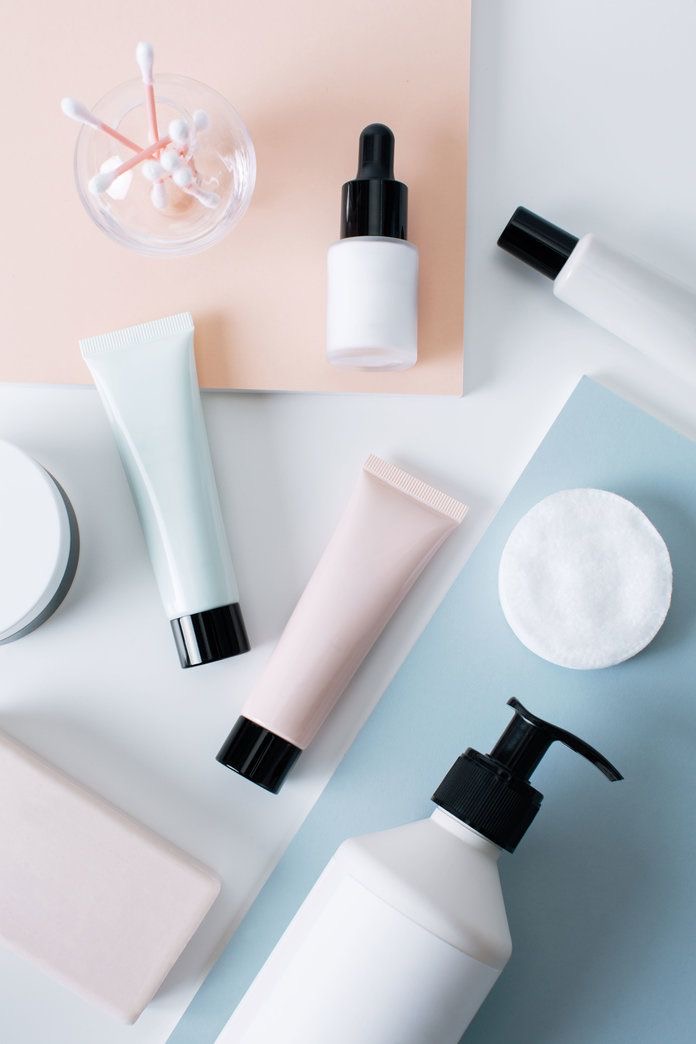
Sensitive skin doesn’t need a long list of products—it needs a short, consistent routine built around gentle cleansing, barrier support, and calming ingredients. Too many steps or harsh actives can trigger redness, stinging, or flare-ups. The goal is to support your skin so it feels calm and resilient, then add actives slowly only if your skin tolerates them.
This guide walks you through a gentle AM and PM approach in paragraph form, with a clear step-by-step table, answers to common questions, and links to deeper reads on barrier repair and soothing ingredients like calendula.
Why Sensitive Skin Needs a Different Approach
Sensitive or reactive skin often has a weaker barrier, so it loses moisture more easily and is more likely to react to irritants, fragrance, or strong actives. The focus should be on repair and protection: gentle cleansers that don’t strip, ingredients that support the barrier (like ceramides and fatty acids), and soothing botanicals that calm instead of stimulate. Less is usually more—a few well-chosen products beat a long routine that overwhelms your skin.
The Gentle Routine at a Glance
| Step | AM | PM | Why |
|---|---|---|---|
| 1 | Gentle cleanser or water | Gentle cleanser (or double cleanse if needed) | Avoid stripping; maintain barrier |
| 2 | Hydrating toner (optional) | Hydrating toner (optional) | Light hydration, no astringents |
| 3 | Soothing / barrier serum | Soothing / barrier serum | Calendula, ceramides, niacinamide |
| 4 | Light moisturizer | Richer barrier moisturizer | Ceramide support, no fragrance |
| 5 | Mineral sunscreen | — | Gentle, less likely to sting |
| 6 | — | Face oil (optional, if very dry) | Lock in moisture; non-comedogenic |
Skip actives like retinol or strong acids until your skin is calm and stable. When you add them, do it one at a time and only a few times per week.
Cleansing Without Stripping
Choose a cream, milky, or gel cleanser that’s fragrance-free and pH-balanced. Avoid foaming cleansers that leave skin tight, heavy scrubs, and hot water. In the morning, many people with sensitive skin do well with just water or a single gentle cleanse; at night, one thorough cleanse is usually enough unless you wear heavy makeup or sunscreen, in which case a gentle oil or balm first, then a mild water-based cleanser, can work. Pat dry—don’t rub. The goal is clean, comfortable skin that doesn’t feel stripped.
Barrier Support and Soothing Ingredients
Barrier-supporting ingredients help sensitive skin hold onto moisture and become less reactive. Look for ceramides, fatty acids, and cholesterol in moisturizers and serums; they support the skin barrier without irritation. Soothing ingredients like calendula, centella, aloe, and oat can calm redness and stinging. Niacinamide in low concentrations (around 5%) can help with barrier function and tone. Avoid fragrance, essential oils, and long ingredient lists if your skin is easily triggered.
When and How to Add Actives
Don’t rush. Get your baseline routine (cleanser, serum or moisturizer with barrier support, sunscreen) stable for a few weeks. When your skin is calm, you can try one gentle active at a time: a low-strength peptide serum, or a very gentle exfoliant like lactic acid once a week. Patch test, use a small amount, and give it time before adding another. Retinol and strong acids are best introduced later, and only if your skin tolerates them—often on alternate nights and buffered with moisturizer.
Common Sensitive Skin Questions
How do I know if my skin is sensitive or just irritated from a product?
Sensitive skin tends to react to many products, weather, or stress with redness, stinging, or dryness. A one-off reaction to a single product is often irritation. If you’re unsure, simplify to a minimal routine (gentle cleanser, fragrance-free moisturizer, mineral SPF) for a few weeks and see if your skin calms down.
Can I use vitamin C if I have sensitive skin?
You can try a gentle, lower-concentration formula (e.g. 5–10% L-ascorbic acid or a derivative like magnesium ascorbyl phosphate). Patch test first and use it every other day to start. If you experience stinging or redness, pause and focus on barrier repair before reintroducing.
Is mineral or chemical sunscreen better for sensitive skin?
Mineral sunscreens (zinc oxide, titanium dioxide) are often better tolerated because they sit on the skin and are less likely to cause stinging or allergic reactions. Choose a fragrance-free formula. If you prefer chemical filters, look for ones that have worked for you in the past and avoid mixing too many new products at once.
How many products should be in a sensitive skin routine?
A solid minimum is three: gentle cleanser, barrier-supporting moisturizer, and sunscreen (AM). You can add one soothing or barrier serum if it helps. Keeping the routine short reduces the chance of irritation and makes it easier to identify triggers.
Can I use retinol if I have sensitive skin?
It depends. Once your barrier is healthy and your baseline routine is calm, you can try a low-strength retinol (or retinoid alternative) once or twice a week, after your soothing serum and before moisturizer. Buffer with moisturizer if needed and increase frequency slowly. If you react, pause and focus on barrier repair first.